Buy ykh.eu ?
We are moving the project
ykh.eu .
Are you interested in purchasing the domain
ykh.eu ?
domain@kv-gmbh.de · 0541-91531010
Buy ykh.eu ?
Where is the turbocharger?
The turbocharger is typically located between the engine and the exhaust system. It is connected to the exhaust manifold and uses exhaust gases to spin a turbine, which in turn compresses air and forces it into the engine's intake manifold. This compressed air allows for more fuel to be burned, resulting in increased power and efficiency. **
How is the turbocharger lubricated?
The turbocharger is lubricated by the engine's oil system. The oil is supplied to the turbocharger through a dedicated oil feed line, which delivers pressurized oil to the bearings and other moving parts within the turbocharger. This lubrication helps reduce friction and heat, allowing the turbocharger to operate efficiently and reliably. It is important to use high-quality oil and to maintain proper oil levels and change intervals to ensure the turbocharger remains properly lubricated. **
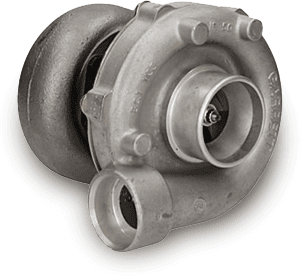

Similar search terms for VDO-2800013005280-Turbocharger
Top-Angebote
Products related to VDO-2800013005280-Turbocharger:
-
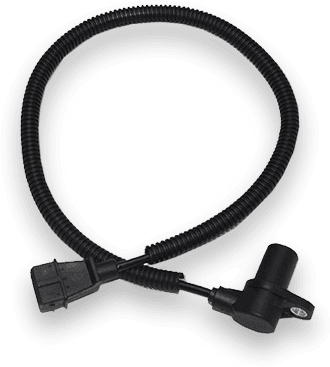
VDO A2C59506221 InjectorFuel Type: Petrol; Supplementary Article / Supplementary Info: with gasket/seal; Engine Code: F8CV, B10S1, B12D1, A 12 XEL, A 12 XER, B10S, LQ5, F12S3; TecDoc Engine Number: 28037, 26658, 18521, 18523; Vehicle Identification Number (VIN) from: 98230182,99 £*Shipping: 8,45 £Secure redirect to the provider
-
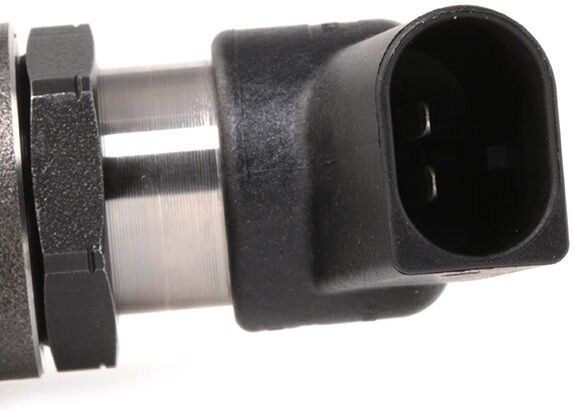
VDO A2C59511612 Injector NozzleFuel Type: Diesel; Supplementary Article / Supplementary Info: with gasket/seal; article number of recommended accessories: X11-800-002-004Z, X11-800-001-001Z; Observe the vehicle manufacturer specifications: ; Always compare old and new part (in particular OE No.): ; TecDoc Engine Number: 23542, 17307, 16425, 17346, 17509, 24924, 24605, 23773246,99 £*Shipping: 1,99 £Secure redirect to the provider


-
What is an illegal turbocharger?
An illegal turbocharger is a turbocharger that has been modified or installed in a way that violates local laws or regulations. This could include using a turbocharger that exceeds the legal size or boost limits, or installing a turbocharger in a way that bypasses emissions controls. Illegal turbochargers can result in fines, vehicle impoundment, and other legal consequences. It's important to ensure that any modifications to a vehicle, including turbocharger installations, comply with local laws and regulations. **
-
Why does a turbocharger whistle?
A turbocharger whistles due to the sound of the compressed air being forced through the turbine blades. As the exhaust gases from the engine spin the turbine, it creates a high-pitched whistling sound as the air is compressed and forced into the engine's intake system. This whistling sound is a result of the high-speed rotation of the turbine and the pressure of the compressed air, and it is a characteristic sound of turbocharged engines. **
-
Which BMW has a turbocharger?
Many BMW models are equipped with turbochargers, but one notable example is the BMW 3 Series. The 3 Series has been offered with turbocharged engines in various configurations, providing improved performance and fuel efficiency. The turbocharged engines in the 3 Series have helped to enhance the driving experience and maintain BMW's reputation for producing powerful and dynamic vehicles. **
-
Why does the turbocharger glow?
The turbocharger glows because of the high temperatures generated by the exhaust gases passing through it. As the exhaust gases flow through the turbocharger, they spin the turbine at extremely high speeds, causing friction and heat. This heat can cause the turbocharger housing and components to glow red hot, especially under heavy load or high boost conditions. While some amount of glowing is normal, excessive heat and glowing can be a sign of a problem with the turbocharger or the engine's tuning. **

When does a turbocharger ignite?
A turbocharger does not ignite. Instead, it operates by using exhaust gases from the engine to spin a turbine, which in turn drives a compressor that forces more air into the engine. This compressed air allows for more fuel to be burned, resulting in increased power output. **
Why is the turbocharger glowing?
The turbocharger is glowing because it is getting extremely hot due to the high temperatures generated by the exhaust gases passing through it at high speeds. This can happen when the engine is under heavy load or when the turbocharger is working harder than usual to produce more power. The glowing can also be a sign of a potential issue with the turbocharger, such as a restriction in the exhaust system or a malfunctioning wastegate. It is important to address the cause of the excessive heat to prevent damage to the turbocharger and ensure the engine is running efficiently. **
Top-Angebote
Products related to VDO-2800013005280-Turbocharger:
-
VDO 2800013005280 TurbochargerCharge Type: Exhaust Turbocharger; Supplementary Article / Supplementary Info: without attachment/mounting material; Observe the vehicle manufacturer specifications: ; Always compare old and new part (in particular OE No.): ; TecDoc Engine Number: 289131731,00 £*Shipping: 1,99 £Secure redirect to the provider
-
VDO A2C59506221 InjectorFuel Type: Petrol; Supplementary Article / Supplementary Info: with gasket/seal; Engine Code: F8CV, B10S1, B12D1, A 12 XEL, A 12 XER, B10S, LQ5, F12S3; TecDoc Engine Number: 28037, 26658, 18521, 18523; Vehicle Identification Number (VIN) from: 98230182,99 £*Shipping: 8,45 £Secure redirect to the provider
-
Where is the turbocharger?
The turbocharger is typically located between the engine and the exhaust system. It is connected to the exhaust manifold and uses exhaust gases to spin a turbine, which in turn compresses air and forces it into the engine's intake manifold. This compressed air allows for more fuel to be burned, resulting in increased power and efficiency. **
-
How is the turbocharger lubricated?
The turbocharger is lubricated by the engine's oil system. The oil is supplied to the turbocharger through a dedicated oil feed line, which delivers pressurized oil to the bearings and other moving parts within the turbocharger. This lubrication helps reduce friction and heat, allowing the turbocharger to operate efficiently and reliably. It is important to use high-quality oil and to maintain proper oil levels and change intervals to ensure the turbocharger remains properly lubricated. **
-
What is an illegal turbocharger?
An illegal turbocharger is a turbocharger that has been modified or installed in a way that violates local laws or regulations. This could include using a turbocharger that exceeds the legal size or boost limits, or installing a turbocharger in a way that bypasses emissions controls. Illegal turbochargers can result in fines, vehicle impoundment, and other legal consequences. It's important to ensure that any modifications to a vehicle, including turbocharger installations, comply with local laws and regulations. **
-
Why does a turbocharger whistle?
A turbocharger whistles due to the sound of the compressed air being forced through the turbine blades. As the exhaust gases from the engine spin the turbine, it creates a high-pitched whistling sound as the air is compressed and forced into the engine's intake system. This whistling sound is a result of the high-speed rotation of the turbine and the pressure of the compressed air, and it is a characteristic sound of turbocharged engines. **
Similar search terms for VDO-2800013005280-Turbocharger
-
VDO A2C59511612 Injector NozzleFuel Type: Diesel; Supplementary Article / Supplementary Info: with gasket/seal; article number of recommended accessories: X11-800-002-004Z, X11-800-001-001Z; Observe the vehicle manufacturer specifications: ; Always compare old and new part (in particular OE No.): ; TecDoc Engine Number: 23542, 17307, 16425, 17346, 17509, 24924, 24605, 23773246,99 £*Shipping: 1,99 £Secure redirect to the provider
-
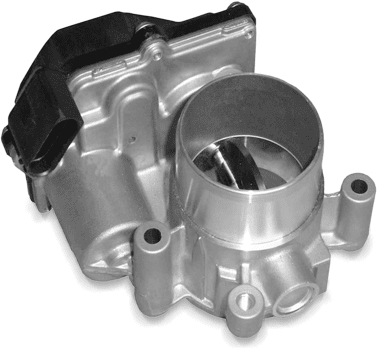
VDO A2C59511702 Throttle bodyOperating Mode: Electric; Diameter: 44; Supplementary Article / Supplementary Info: without gasket/seal; article number of recommended accessories: VDO A2C59516946, VW 03E 133 073; Observe the vehicle manufacturer specifications: ; Supplementary Article / Supplementary Info Info 2: Control Unit/Software must be trained/updated; Always compare old and new part (in particular OE No.): ; Fuel Type: Petrol; TecDoc Engine Number: 18696, 18154, 18156, 20510, 18750, 18836, 18271, 19426; Vehicle Identification Number (VIN) from: 9N-2-000 001, 6L-2-000 001; only in connection with: 035 133 335, N 101 969 01, N 100 834 01; Construction Year to: 12/2005; Construction Year from: 01/2006128,99 £*Shipping: 1,99 £Secure redirect to the provider
-
VDO A2C59513186Z Lambda sensorLength [mm]: 470; Number of circuits: 4; TecDoc Engine Number: 16274, 14329, 17266, 17267, 16345, 18445, 20914, 19674, 19675, 11567, 16269, 13308, 13309, 16346, 21194, 21163, 16342, 16349, 13310, 16475, 14334, 21213, 16340, 16355, 16356, 21214, 16214, 21164, 18273, 16359, 16369, 21228, 17489, 16216, 16217, 18272, 18274, 16370, 14330, 17059, 17060, 21197, 18276, 18278, 18279, 16531, 20910, 18303, 19695, 20895, 18898, 18899, 18534, 18533, 18422, 18284, 19668, 23108, 17061, 21200, 18532, 20836, 26333, 21294, 18535, 23581, 16221, 21204, 20814; Construction Year from: 11/1999, 03/2003, 09/1998, 05/1998, 12/1998, 10/1999, 04/2001, 08/2000, 03/2005, 01/2002, 01/2001, 02/2005, 09/2005, 06/2006, 07/2007, 09/2006; Transmission Type: Manual Transmission, Automatic Transmission; Fitting Position: before catalytic converter, after catalytic converter; Oxygen Sensor: Diagnostic Probe; Construction Year to: 12/2000, 09/2002, 08/2002, 04/2003, 01/2001, 03/2003, 08/2004, 02/2006; Engine Code: K4J 700,701,708,709, K4J 700, J7T 746,747, F4R 722, K4J 710, 711, K4J 712, 713, 715, F4R 700, 701, 712, F4R 713, 715, D7F.7.64, D7F.7.66, F4P 770, 771, F4P 774, 775, F4R 762, 763, 764, F4R 765, 767, K4M 734, D7F 702, F4R 784, 786, K4M 802, K4M.7.64; Exhaust System: after catalytic converter71,99 £*Shipping: 8,45 £Secure redirect to the provider
-
Which BMW has a turbocharger?
Many BMW models are equipped with turbochargers, but one notable example is the BMW 3 Series. The 3 Series has been offered with turbocharged engines in various configurations, providing improved performance and fuel efficiency. The turbocharged engines in the 3 Series have helped to enhance the driving experience and maintain BMW's reputation for producing powerful and dynamic vehicles. **
-
Why does the turbocharger glow?
The turbocharger glows because of the high temperatures generated by the exhaust gases passing through it. As the exhaust gases flow through the turbocharger, they spin the turbine at extremely high speeds, causing friction and heat. This heat can cause the turbocharger housing and components to glow red hot, especially under heavy load or high boost conditions. While some amount of glowing is normal, excessive heat and glowing can be a sign of a problem with the turbocharger or the engine's tuning. **
-
When does a turbocharger ignite?
A turbocharger does not ignite. Instead, it operates by using exhaust gases from the engine to spin a turbine, which in turn drives a compressor that forces more air into the engine. This compressed air allows for more fuel to be burned, resulting in increased power output. **
-
Why is the turbocharger glowing?
The turbocharger is glowing because it is getting extremely hot due to the high temperatures generated by the exhaust gases passing through it at high speeds. This can happen when the engine is under heavy load or when the turbocharger is working harder than usual to produce more power. The glowing can also be a sign of a potential issue with the turbocharger, such as a restriction in the exhaust system or a malfunctioning wastegate. It is important to address the cause of the excessive heat to prevent damage to the turbocharger and ensure the engine is running efficiently. **
* All prices are inclusive of VAT and, if applicable, plus shipping costs. The offer information is based on the details provided by the respective shop and is updated through automated processes. Real-time updates do not occur, so deviations can occur in individual cases. ** Note: Parts of this content were created by AI.