Buy ykh.eu ?
We are moving the project
ykh.eu .
Are you interested in purchasing the domain
ykh.eu ?
domain@kv-gmbh.de · 0541-91531010
Buy ykh.eu ?
Are Kazakhs a Turkic people?
Yes, Kazakhs are a Turkic people. They are one of the largest Turkic ethnic groups in Central Asia, with a majority of the population speaking the Kazakh language, which is a Turkic language. The Kazakhs have a shared history, culture, and linguistic roots with other Turkic peoples in the region. **
How similar are Turkic languages?
Turkic languages are similar in terms of their grammatical structure, vocabulary, and phonology. They share a common ancestor and have many cognates, making it easier for speakers of one Turkic language to understand and learn another. However, there are also significant differences among Turkic languages, especially in terms of phonological and lexical differences, as well as some grammatical variations. Despite these differences, the mutual intelligibility among Turkic languages allows for some level of communication and understanding between speakers of different Turkic languages. **


Similar search terms for Turkic
Top-Angebote
Products related to Turkic:
-
Georgia Boot AMP Memory Foam Footbed - M Yellow Footwear Accessories*The Georgia Boot AMP Memory Foam Footbed adjusts for customized cushioning of your entire foot. Heel cup provides support and comfort. Airflow channels provide cool circulation. Polyurethane layer for maximum cushioning. Footbed can be trimmed. M...30,00 $*Shipping: 6,95 $Secure redirect to the provider
-
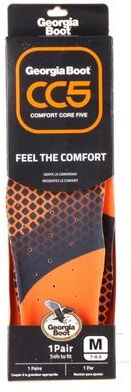
Georgia Boot Comfort Core 5 Orthotic Footbed - L Orange Footwear Accessories*Ergonomic Arch Support in the Georgia Boot Comfort Core 5 Footbed relieves foot fatigue and provides added comfort. Air flow channels provide cool circulation. Footbed can be trimmed. M fits U.S. Men's sizes 6 to 8-1/2 and Women's sizes 8 to...28,00 $*Shipping: 6,95 $Secure redirect to the provider
-
StayWell Portable Inflatable Pillow, Camping Equipment, Folding Compressible Air Cushion, Outdoor Protective Sleeping Gear Portable Inflatable Pillow, Camping Equipment, Folding Compressible Air Cushion, Outdoor Protective Sleeping GearUpgrade your outdoor adventures with the Portable Inflatable Pillow, a musthave addition to your camping equipment and travel essentials. Designed with comfort, portability, and durability in mind, this compact pillow ensures restful sleep wherever...21,97 $*Shipping: 0,00 $Secure redirect to the provider



-
Are Kazakhs a Turkic ethnic group?
Yes, Kazakhs are a Turkic ethnic group. They are descendants of Turkic tribes that migrated to the region of present-day Kazakhstan in the Middle Ages. The Kazakh language is also a Turkic language, belonging to the Kipchak branch of the Turkic language family. Additionally, Kazakh culture and traditions have strong Turkic influences, further solidifying their Turkic identity. **
-
Is Turkey really an ethnic Turkic people?
Turkey is a diverse country with a population that includes various ethnic groups, not just ethnic Turks. While the majority of the population in Turkey identifies as ethnic Turks, there are also significant Kurdish, Arab, and other minority populations. The concept of Turkish identity is complex and includes cultural, linguistic, and historical factors beyond just ethnic origin. Therefore, it is more accurate to say that Turkey is a multi-ethnic country with a dominant Turkish cultural and linguistic heritage. **
-
Do the Inuit belong to the Turkic peoples?
No, the Inuit do not belong to the Turkic peoples. The Inuit are indigenous peoples who primarily inhabit the Arctic regions of Canada, Greenland, and Alaska. They have their own distinct language, culture, and history that are different from the Turkic peoples, who are a group of ethnicities primarily located in Central Asia and parts of Eastern Europe. **
-
Do all Turkic peoples have the same roots?
No, not all Turkic peoples have the same roots. While they share a common linguistic and cultural heritage, Turkic peoples have diverse origins and histories. The Turkic language family originated in Central Asia, and Turkic peoples have migrated and settled in various regions over time, leading to different subgroups with distinct origins and influences. These subgroups include the Oghuz, Kipchak, and Karluk branches, among others, each with its own unique history and connections to different regions and cultures. **

Which countries do the Turkic peoples belong to?
The Turkic peoples belong to countries such as Turkey, Azerbaijan, Kazakhstan, Uzbekistan, Turkmenistan, Kyrgyzstan, and parts of Russia, China, and Iran. These countries have significant populations of Turkic-speaking people who share a common cultural and linguistic heritage. The Turkic peoples have a rich history and have made significant contributions to the cultures and societies of these countries. **
Do the Scythians belong to the Turkic peoples?
The Scythians were an ancient nomadic people who lived in the Eurasian steppes from around the 9th century BC to the 4th century AD. While there are some linguistic and cultural similarities between the Scythians and Turkic peoples, they are not considered to be the same. The Scythians were an Indo-European group, while the Turkic peoples are a distinct language group that emerged later in history. Therefore, the Scythians are not considered to belong to the Turkic peoples. **
Top-Angebote
Products related to Turkic:
-
Carhartt Insite Footbeds - Mens 15 Brown Footwear Accessories*Engineered footbed with Insite Technology to align foot in the most natural position. Pulsion Rebound Foam is engineered for anti-fatigue rebound action. Tetrapod anti-fatigue technology distributes foot compression in multiple directions. Import ...29,99 $*Shipping: 6,95 $Secure redirect to the provider
-
Shoekeeper Men's Shoe Stretcher & Spray - L Other Footwear Accessories*Expand your shoes to the perfect fit. Shoe stretch spray softens leather. Screw-driven shoe stretcher expands leather to eliminate pinching. Metal plugs included for spot stretching. Kit includes one stretcher and one bottle of 4 oz. spray. Sizes:....43,96 $*Shipping: 6,95 $Secure redirect to the provider
-
Georgia Boot AMP Memory Foam Footbed - M Yellow Footwear Accessories*The Georgia Boot AMP Memory Foam Footbed adjusts for customized cushioning of your entire foot. Heel cup provides support and comfort. Airflow channels provide cool circulation. Polyurethane layer for maximum cushioning. Footbed can be trimmed. M...30,00 $*Shipping: 6,95 $Secure redirect to the provider
-
Are Kazakhs a Turkic people?
Yes, Kazakhs are a Turkic people. They are one of the largest Turkic ethnic groups in Central Asia, with a majority of the population speaking the Kazakh language, which is a Turkic language. The Kazakhs have a shared history, culture, and linguistic roots with other Turkic peoples in the region. **
-
How similar are Turkic languages?
Turkic languages are similar in terms of their grammatical structure, vocabulary, and phonology. They share a common ancestor and have many cognates, making it easier for speakers of one Turkic language to understand and learn another. However, there are also significant differences among Turkic languages, especially in terms of phonological and lexical differences, as well as some grammatical variations. Despite these differences, the mutual intelligibility among Turkic languages allows for some level of communication and understanding between speakers of different Turkic languages. **
-
Are Kazakhs a Turkic ethnic group?
Yes, Kazakhs are a Turkic ethnic group. They are descendants of Turkic tribes that migrated to the region of present-day Kazakhstan in the Middle Ages. The Kazakh language is also a Turkic language, belonging to the Kipchak branch of the Turkic language family. Additionally, Kazakh culture and traditions have strong Turkic influences, further solidifying their Turkic identity. **
-
Is Turkey really an ethnic Turkic people?
Turkey is a diverse country with a population that includes various ethnic groups, not just ethnic Turks. While the majority of the population in Turkey identifies as ethnic Turks, there are also significant Kurdish, Arab, and other minority populations. The concept of Turkish identity is complex and includes cultural, linguistic, and historical factors beyond just ethnic origin. Therefore, it is more accurate to say that Turkey is a multi-ethnic country with a dominant Turkish cultural and linguistic heritage. **
Similar search terms for Turkic
-
Georgia Boot Comfort Core 5 Orthotic Footbed - L Orange Footwear Accessories*Ergonomic Arch Support in the Georgia Boot Comfort Core 5 Footbed relieves foot fatigue and provides added comfort. Air flow channels provide cool circulation. Footbed can be trimmed. M fits U.S. Men's sizes 6 to 8-1/2 and Women's sizes 8 to...28,00 $*Shipping: 6,95 $Secure redirect to the provider
-
StayWell Portable Inflatable Pillow, Camping Equipment, Folding Compressible Air Cushion, Outdoor Protective Sleeping Gear Portable Inflatable Pillow, Camping Equipment, Folding Compressible Air Cushion, Outdoor Protective Sleeping GearUpgrade your outdoor adventures with the Portable Inflatable Pillow, a musthave addition to your camping equipment and travel essentials. Designed with comfort, portability, and durability in mind, this compact pillow ensures restful sleep wherever...21,97 $*Shipping: 0,00 $Secure redirect to the provider
-
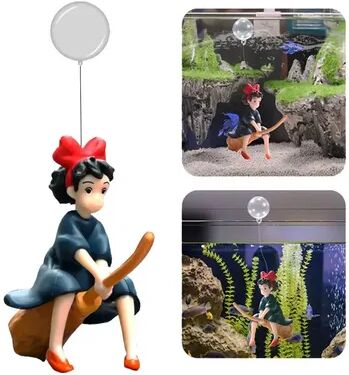
Inspire Daily Merch Fish Tank Cartoon Magic Jewelry, Cake Decoration, Aquarium Accessories, Fish Farming Supplies Fish Tank Cartoon Magic Jewelry, Cake Decoration, Aquarium Accessories, Fish Farming SuppliesTransform Your Fish Tank with Cartoon Magic Decorations Add a touch of whimsy to your fish tank with this Cartoon Magic Jewelry. This Fish Tank Decoration features a suspended design that creates a unique visual effect in your aquarium, making it a...32,97 $*Shipping: 0,00 $Secure redirect to the provider
-
Multisell Products Hub Muscle Training Stick, Iron Wrist Forearm Strengthener, Strength Equipment, Outdoor Sports Gear, Black Universal Size Muscle Training Stick, Iron Wrist Forearm Strengthener, Strength Equipment, Outdoor Sports Gear, Black Universal SBuild Confident Strength at Home The Iron Wrist Forearm Strengthener is designed to help you build controlled power without needing expensive gym equipment. It supports simple, guided wrist and forearm motions that strengthen everyday grip, making...37,97 $*Shipping: 0,00 $Secure redirect to the provider
-
Do the Inuit belong to the Turkic peoples?
No, the Inuit do not belong to the Turkic peoples. The Inuit are indigenous peoples who primarily inhabit the Arctic regions of Canada, Greenland, and Alaska. They have their own distinct language, culture, and history that are different from the Turkic peoples, who are a group of ethnicities primarily located in Central Asia and parts of Eastern Europe. **
-
Do all Turkic peoples have the same roots?
No, not all Turkic peoples have the same roots. While they share a common linguistic and cultural heritage, Turkic peoples have diverse origins and histories. The Turkic language family originated in Central Asia, and Turkic peoples have migrated and settled in various regions over time, leading to different subgroups with distinct origins and influences. These subgroups include the Oghuz, Kipchak, and Karluk branches, among others, each with its own unique history and connections to different regions and cultures. **
-
Which countries do the Turkic peoples belong to?
The Turkic peoples belong to countries such as Turkey, Azerbaijan, Kazakhstan, Uzbekistan, Turkmenistan, Kyrgyzstan, and parts of Russia, China, and Iran. These countries have significant populations of Turkic-speaking people who share a common cultural and linguistic heritage. The Turkic peoples have a rich history and have made significant contributions to the cultures and societies of these countries. **
-
Do the Scythians belong to the Turkic peoples?
The Scythians were an ancient nomadic people who lived in the Eurasian steppes from around the 9th century BC to the 4th century AD. While there are some linguistic and cultural similarities between the Scythians and Turkic peoples, they are not considered to be the same. The Scythians were an Indo-European group, while the Turkic peoples are a distinct language group that emerged later in history. Therefore, the Scythians are not considered to belong to the Turkic peoples. **
* All prices are inclusive of VAT and, if applicable, plus shipping costs. The offer information is based on the details provided by the respective shop and is updated through automated processes. Real-time updates do not occur, so deviations can occur in individual cases. ** Note: Parts of this content were created by AI.