Buy ykh.eu ?
We are moving the project
ykh.eu .
Are you interested in purchasing the domain
ykh.eu ?
domain@kv-gmbh.de · 0541-91531010
Buy ykh.eu ?
What is battery acid?
Battery acid is a sulfuric acid solution used in lead-acid batteries to generate electricity. It is a highly corrosive and toxic substance that can cause severe burns if it comes into contact with skin or eyes. Battery acid is typically found in car batteries, industrial batteries, and other types of lead-acid batteries. It is important to handle battery acid with extreme caution and use proper safety equipment when working with it. **
Have you swallowed battery acid?
No, I have not swallowed battery acid. Swallowing battery acid can be extremely dangerous and can cause serious harm to the body. It is important to seek immediate medical attention if someone has swallowed battery acid. **
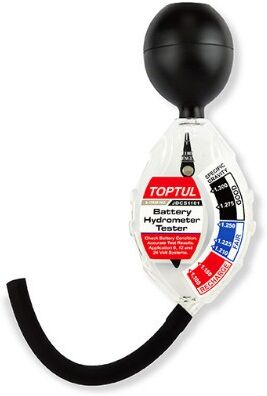
Similar search terms for TOPTUL-JDCS1101-Battery-Acid
Top-Angebote
Products related to TOPTUL-JDCS1101-Battery-Acid:
-
KS TOOLS 550.1285 Antifreeze- / Battery Acid Testing Unit (Refractometer)Measuring Range (ethylene glycol), from [°C]: -5; Measuring Range (ethylene glycol), up to [°C]: -50; Measuring Prism Length [mm]: 40; Measuring Prism Width [mm]: 13; Weight [g]: 480; Diameter 1 [mm]: 40; Measuring Range (battery acid) from [g/cm³]: 1,1; Measuring Range (battery acid) to [g/cm³]: 1,4; Measuring range urea content (AdBlue®) from [%]: 5; Measuring range urea content (AdBlue®) up to [%]: 40; Number of Parts [parts]: 4; Measuring Range (windscreen washer frost protect.) from [°C]: -10; Measuring Range (windscreen washer frost protect.) to [°C]: -40; Material: Aluminium; Total Length [mm]: 16067,99 £*Shipping: 8,45 £Secure redirect to the provider



-
Can battery acid etch plastic?
Yes, battery acid can etch plastic. Battery acid is typically sulfuric acid, which is a highly corrosive substance that can react with and degrade many materials, including plastic. When in contact with plastic, battery acid can cause the plastic to become discolored, deformed, or even dissolve over time. It is important to handle battery acid with care and avoid contact with plastic materials to prevent damage. **
-
How dangerous is battery acid?
Battery acid, which is typically sulfuric acid, is highly corrosive and can cause severe burns if it comes into contact with skin. Inhaling the fumes of battery acid can also be harmful to the respiratory system. If ingested, battery acid can cause internal burns and damage to the digestive system. Therefore, it is important to handle battery acid with extreme caution and use appropriate safety measures to prevent accidents. **
-
How is battery acid dried?
Battery acid, which is typically sulfuric acid, can be dried by heating it to evaporate the water content. This can be done by gently heating the acid in a controlled environment to avoid any splattering or boiling over. Once the water has evaporated, the remaining sulfuric acid will be in a more concentrated form. It is important to handle battery acid with caution and use proper safety equipment when drying it. **
-
What are the differences between formic acid and battery acid?
Formic acid is a naturally occurring organic acid found in various plants and insects, while battery acid is a sulfuric acid solution used in lead-acid batteries. Formic acid is a weaker acid compared to battery acid, which is highly corrosive and can cause severe burns upon contact with skin. Additionally, formic acid has a pungent odor, while battery acid is odorless. **

How can one obtain battery acid?
Battery acid, also known as sulfuric acid, is a highly corrosive substance that should be handled with extreme caution. It can be obtained from automotive supply stores, hardware stores, or online retailers. It is typically sold in diluted form for safety reasons, but can be concentrated by carefully following proper handling and dilution procedures. It is important to always wear protective gear such as gloves and goggles when handling battery acid. **
How toxic is battery acid actually?
Battery acid, which is typically sulfuric acid, is highly corrosive and can cause severe burns if it comes into contact with skin. Ingesting battery acid can also be extremely dangerous and potentially fatal. It is important to handle battery acid with caution and use appropriate safety measures to prevent accidental exposure. **
Top-Angebote
Products related to TOPTUL-JDCS1101-Battery-Acid:
-
What is battery acid?
Battery acid is a sulfuric acid solution used in lead-acid batteries to generate electricity. It is a highly corrosive and toxic substance that can cause severe burns if it comes into contact with skin or eyes. Battery acid is typically found in car batteries, industrial batteries, and other types of lead-acid batteries. It is important to handle battery acid with extreme caution and use proper safety equipment when working with it. **
-
Have you swallowed battery acid?
No, I have not swallowed battery acid. Swallowing battery acid can be extremely dangerous and can cause serious harm to the body. It is important to seek immediate medical attention if someone has swallowed battery acid. **
-
Can battery acid etch plastic?
Yes, battery acid can etch plastic. Battery acid is typically sulfuric acid, which is a highly corrosive substance that can react with and degrade many materials, including plastic. When in contact with plastic, battery acid can cause the plastic to become discolored, deformed, or even dissolve over time. It is important to handle battery acid with care and avoid contact with plastic materials to prevent damage. **
-
How dangerous is battery acid?
Battery acid, which is typically sulfuric acid, is highly corrosive and can cause severe burns if it comes into contact with skin. Inhaling the fumes of battery acid can also be harmful to the respiratory system. If ingested, battery acid can cause internal burns and damage to the digestive system. Therefore, it is important to handle battery acid with extreme caution and use appropriate safety measures to prevent accidents. **
Similar search terms for TOPTUL-JDCS1101-Battery-Acid
-
KS TOOLS 550.1285 Antifreeze- / Battery Acid Testing Unit (Refractometer)Measuring Range (ethylene glycol), from [°C]: -5; Measuring Range (ethylene glycol), up to [°C]: -50; Measuring Prism Length [mm]: 40; Measuring Prism Width [mm]: 13; Weight [g]: 480; Diameter 1 [mm]: 40; Measuring Range (battery acid) from [g/cm³]: 1,1; Measuring Range (battery acid) to [g/cm³]: 1,4; Measuring range urea content (AdBlue®) from [%]: 5; Measuring range urea content (AdBlue®) up to [%]: 40; Number of Parts [parts]: 4; Measuring Range (windscreen washer frost protect.) from [°C]: -10; Measuring Range (windscreen washer frost protect.) to [°C]: -40; Material: Aluminium; Total Length [mm]: 16067,99 £*Shipping: 8,45 £Secure redirect to the provider
-
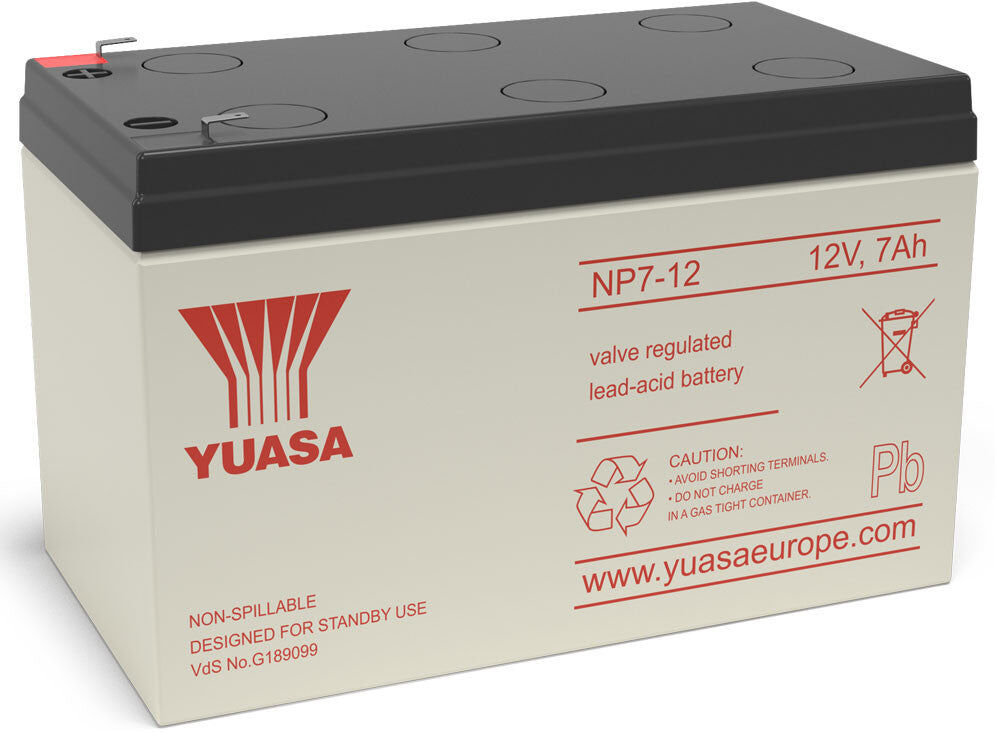
Yuasa NP7-12 VRLA Sealed Lead Acid Battery 1 PackThe Yuasa NP7-12 VRLA (Valve Regulated Lead Acid) Battery represents a reliable and efficient power solution, catering to a wide range of applications. This sealed lead acid battery is designed for both business and consumer markets, offering versatility and longevity in performance. It is the most popular SLA available. Key Benefits: Maintenance-Free Design: The VRLA technology ensures that the battery requires no water top-up or regular maintenance, making it an ideal choice for remote or hard-to-reach installations. Long Life and Reliability: Yuasa's advanced manufacturing techniques ensure long operational life and dependability, making it a cost-effective choice for critical applications. Safe and Secure: The sealed design minimizes the risk of acid leakage, while the valve regulation mechanism prevents excess gas buildup, ensuring safe operation in various environments. Compact and Lightweight: Its compact size and relatively light weight make it suitable for a variety of applications where space and weight are constraints. Key Features and Specifications: Voltage and Capacity: 12 Volts, 7 Ah capacity, providing a stable and consistent power supply. Dimensions and Weight: The battery measures approximately 151 mm in length, 65 mm in width, and 97.5 mm in height, with a weight of around 2.65 kg, making it a compact power source. Terminal Type: Equipped with faston tab terminals (F1/F2) for easy and secure connection. Operating Temperature Range: Capable of operating in a wide temperature range, ensuring reliability under various environmental conditions. Applications: Security Systems: Used in alarm panels, CCTV cameras, and access control systems. Emergency Lighting: Ideal for emergency lighting systems in commercial and residential buildings. Uninterruptible Power Supplies (UPS): Provides backup power for UPS systems protecting computers and other sensitive electronic equipment. Medical Devices: Powers medical devices such as portable oxygen concentrators and home healthcare equipment. Solar Power Storage: Suitable for small-scale solar installations for energy storage. The Yuasa NP7-12 VRLA Sealed Lead Acid Battery stands out as an exemplary choice for applications demanding reliability, safety, and ease of use. Its compatibility with a diverse array of devices and systems, from security to medical equipment, underscores its versatility. The technical specifications, including its compact size and extended operational life, further cement its position as a valuable asset for both business and consumer applications, ensuring continuous and dependable power supply.16,95 £*Shipping: 2,49 £Secure redirect to the provider
-
Yuasa NP12-6 VRLA Sealed Lead Acid Battery 1 PackYuasa NP12-6 VRLA Sealed Lead Acid Battery is an exemplary choice for both business and consumer applications, offering a reliable and durable power solution. Its compact design and high energy output make it suitable for a wide array of devices, ensuring consistent performance and longevity. Key Features: High Energy Density: Yuasa NP12-6's compact design packs a powerful punch, ideal for space and weight-sensitive applications. Maintenance-Free Operation: Utilizing Valve-Regulated Lead Acid (VRLA) technology, it requires no water top-ups and minimal upkeep. Long Service Life: Designed for durability, Yuasa NP12-6 offers an extended service life, reducing the frequency of replacements. Wide Operating Temperature Range: Operates effectively across various environmental conditions, enhancing its versatility. Leak-Proof Design: Its sealed construction prevents leakage, allowing safe operation in any position. Yuasa NP12-6 VRLA Sealed Lead Acid Battery is specifically tailored for powering a diverse range of devices: Emergency Lighting Systems: Powers exit signs and emergency lights during power outages. Security Systems: Essential for residential and commercial alarms, CCTV cameras, and access control systems. Medical Equipment: Reliable for portable medical devices, patient monitors, and small medical refrigerators. Uninterruptible Power Supplies (UPS): Ensures backup for computers, servers, and network devices. Recreational Vehicles: Suitable for small RV appliances and lighting systems. Technical Specifications and Features: Voltage: 6 Volts Capacity: 12Ah Technology: Sealed Lead Acid (VRLA) Dimensions: 151mm x 50mm x 97.5mm (Length x Width x Height) Yuasa NP12-6 VRLA Sealed Lead Acid Battery stands out as a top-tier choice for those in need of a dependable and efficient power solution. Its versatility across various applications, combined with advanced features, makes it a crucial component for numerous devices. From powering essential medical equipment to ensuring the functionality of daily security systems, Yuasa NP12-6 delivers unwavering performance and reliability.18,95 £*Shipping: 2,49 £Secure redirect to the provider
-
How is battery acid dried?
Battery acid, which is typically sulfuric acid, can be dried by heating it to evaporate the water content. This can be done by gently heating the acid in a controlled environment to avoid any splattering or boiling over. Once the water has evaporated, the remaining sulfuric acid will be in a more concentrated form. It is important to handle battery acid with caution and use proper safety equipment when drying it. **
-
What are the differences between formic acid and battery acid?
Formic acid is a naturally occurring organic acid found in various plants and insects, while battery acid is a sulfuric acid solution used in lead-acid batteries. Formic acid is a weaker acid compared to battery acid, which is highly corrosive and can cause severe burns upon contact with skin. Additionally, formic acid has a pungent odor, while battery acid is odorless. **
-
How can one obtain battery acid?
Battery acid, also known as sulfuric acid, is a highly corrosive substance that should be handled with extreme caution. It can be obtained from automotive supply stores, hardware stores, or online retailers. It is typically sold in diluted form for safety reasons, but can be concentrated by carefully following proper handling and dilution procedures. It is important to always wear protective gear such as gloves and goggles when handling battery acid. **
-
How toxic is battery acid actually?
Battery acid, which is typically sulfuric acid, is highly corrosive and can cause severe burns if it comes into contact with skin. Ingesting battery acid can also be extremely dangerous and potentially fatal. It is important to handle battery acid with caution and use appropriate safety measures to prevent accidental exposure. **
* All prices are inclusive of VAT and, if applicable, plus shipping costs. The offer information is based on the details provided by the respective shop and is updated through automated processes. Real-time updates do not occur, so deviations can occur in individual cases. ** Note: Parts of this content were created by AI.