Buy ykh.eu ?
We are moving the project
ykh.eu .
Are you interested in purchasing the domain
ykh.eu ?
domain@kv-gmbh.de · 0541-91531010
Buy ykh.eu ?
What is a Ridex cabin air filter?
A Ridex cabin air filter is a type of air filter designed specifically for the cabin of a vehicle. It is installed in the HVAC system of the car to help improve the air quality inside the cabin by filtering out dust, pollen, and other airborne particles. This can help reduce allergens and pollutants inside the vehicle, creating a cleaner and healthier environment for the occupants. Ridex cabin air filters are typically made with high-quality materials and are designed to be a direct replacement for the original filter in the vehicle. **
What are fuel supplies?
Fuel supplies refer to the availability and stock of various types of fuel, such as gasoline, diesel, natural gas, and other energy sources. These supplies are essential for powering vehicles, machinery, and heating systems. Fuel supplies can be affected by factors such as production levels, transportation infrastructure, and geopolitical events, and are crucial for maintaining the functioning of modern society. **


Similar search terms for RIDEX-3942S0018-Fuel-pressure
Top-Angebote
Products related to RIDEX-3942S0018-Fuel-pressure:
-
RIDEX 3942S0030 Fuel pressure sensorNumber of pins: 3; Spanner Size: 24 mm; Supplementary Article / Supplementary Info Info 2: High-pressure Side; Connector Shape: D Shape; Socket colour: black; Engine Code: CDGA, BWS, CMTA, BLV, BEH, AXU, BAG, AXW, BKG, BLR, BLF, BLX, BHK, AXZ, BSX, BLN, CDVA, CHNA, CGRA; Fitting Position: from rail to injector, from rail to rail, High-pressure Pump (high-pressure side); Vehicle Identification Number (VIN) from: 1K--4--000 00120,49 £*Shipping: 8,45 £Secure redirect to the provider
-
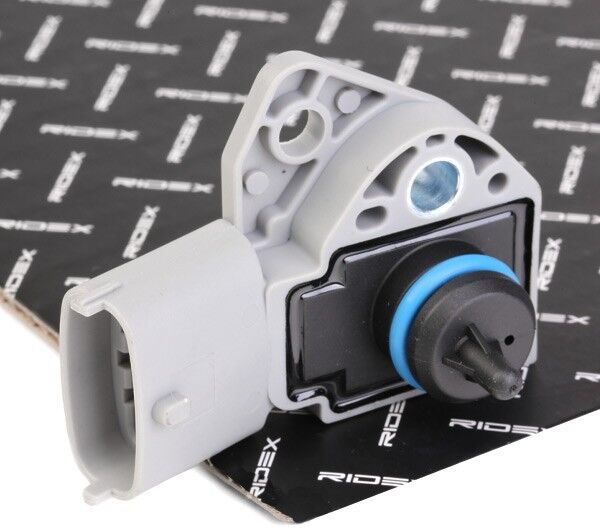
RIDEX 3942S0011 Fuel pressure sensorNumber of pins: 4; Connector Shape: oval; Colour: light grey; Supplementary Article / Supplementary Info Info 2: with integrated air temperature sensor, Low-pressure Side; Number of mounting bores: 2; Fuel Mixture Formation: Intake Manifold Injection; Construction Year to: 07/2000, 07/2004, 07/2003, 03/2004, 07/2007, 07/2010; Construction Year from: 09/2000, 11/2000, 03/2005, 08/2003, 08/2006, 08/2008; Engine Code: B 5234 T322,99 £*Shipping: 8,45 £Secure redirect to the provider


-
What does the fuel low-pressure sensor do?
The fuel low-pressure sensor is responsible for monitoring the pressure of the fuel in the fuel system. It detects when the fuel pressure drops below a certain threshold, indicating that there may be an issue with the fuel system such as a leak or a clog. When the sensor detects low fuel pressure, it sends a signal to the vehicle's engine control unit (ECU) to alert the driver through a warning light on the dashboard. This helps prevent potential damage to the engine and ensures the vehicle operates efficiently. **
-
What does the low-pressure fuel sensor do?
The low-pressure fuel sensor is responsible for monitoring the fuel pressure in the fuel system of a vehicle. It detects any fluctuations or drops in fuel pressure and sends this information to the engine control unit. This data helps the engine control unit adjust the fuel delivery to ensure optimal engine performance and fuel efficiency. If the sensor detects a significant drop in fuel pressure, it can trigger a warning light on the dashboard to alert the driver of a potential issue. **
-
Does idling consume less fuel than rolling in gear?
Idling consumes more fuel than rolling in gear. When a vehicle is idling, it is using fuel to keep the engine running without moving the vehicle, whereas when the vehicle is rolling in gear, the engine is using less fuel to maintain the vehicle's momentum. Therefore, it is more fuel-efficient to keep the vehicle rolling in gear rather than idling. **
-
Does idling consume less fuel than coasting in gear?
No, idling consumes more fuel than coasting in gear. When a vehicle is idling, the engine is still running and using fuel to maintain the RPMs, even though the vehicle is not moving. On the other hand, coasting in gear allows the vehicle to move forward using the momentum already built up, without using any fuel. Therefore, coasting in gear is a more fuel-efficient option compared to idling. **
Does idling consume more fuel than driving in gear?
Yes, idling consumes more fuel than driving in gear. When a vehicle is idling, it is using fuel to keep the engine running without moving the vehicle forward. On the other hand, when the vehicle is driving in gear, the engine is still running but it is also propelling the vehicle forward, making more efficient use of the fuel. Therefore, it is more fuel-efficient to drive in gear than to idle. **
At what pressure does air become so hot that it ignites the fuel in a diesel engine?
Air becomes so hot that it ignites the fuel in a diesel engine at a pressure of around 500 psi (pounds per square inch). This high pressure causes the air to reach temperatures of over 1,000 degrees Fahrenheit, which is hot enough to ignite the diesel fuel without the need for a spark plug. This process is known as compression ignition, and it is the key principle behind the operation of diesel engines. **
Top-Angebote
Products related to RIDEX-3942S0018-Fuel-pressure:
-
RIDEX 3942S0018 Fuel pressure sensorSupplementary Article / Supplementary Info Info 2: High-pressure Side; Fuel Mixture Formation: Direct Injection, Common Rail (CR); Pressure to [bar]: 1500; Thread Size: M18X1,5; Engine Code: G9T 722, G9T 700, 192 A1.000, G9U 720, 188 A7.000<M25>, 186 A8.000<M7/EU3>, G9T 742, 223 A7.000, G9U 754, G9T 706; not for emissions standard: Euro 529,99 £*Shipping: 8,45 £Secure redirect to the provider
-
RIDEX 3942S0013 Fuel pressure sensorNumber of pins: 3; Connecting thread: M12x1.5; TecDoc Engine Number: 20147; for RPO number from: 10101; for RPO number up to: 10618; Manufacturer Restriction: Bosch; Emissions Standard: Euro 3 (D3), Euro 4 (D4); Engine Code: DV6TED417,49 £*Shipping: 8,45 £Secure redirect to the provider
-
RIDEX 3942S0030 Fuel pressure sensorNumber of pins: 3; Spanner Size: 24 mm; Supplementary Article / Supplementary Info Info 2: High-pressure Side; Connector Shape: D Shape; Socket colour: black; Engine Code: CDGA, BWS, CMTA, BLV, BEH, AXU, BAG, AXW, BKG, BLR, BLF, BLX, BHK, AXZ, BSX, BLN, CDVA, CHNA, CGRA; Fitting Position: from rail to injector, from rail to rail, High-pressure Pump (high-pressure side); Vehicle Identification Number (VIN) from: 1K--4--000 00120,49 £*Shipping: 8,45 £Secure redirect to the provider
-
What is a Ridex cabin air filter?
A Ridex cabin air filter is a type of air filter designed specifically for the cabin of a vehicle. It is installed in the HVAC system of the car to help improve the air quality inside the cabin by filtering out dust, pollen, and other airborne particles. This can help reduce allergens and pollutants inside the vehicle, creating a cleaner and healthier environment for the occupants. Ridex cabin air filters are typically made with high-quality materials and are designed to be a direct replacement for the original filter in the vehicle. **
-
What are fuel supplies?
Fuel supplies refer to the availability and stock of various types of fuel, such as gasoline, diesel, natural gas, and other energy sources. These supplies are essential for powering vehicles, machinery, and heating systems. Fuel supplies can be affected by factors such as production levels, transportation infrastructure, and geopolitical events, and are crucial for maintaining the functioning of modern society. **
-
What does the fuel low-pressure sensor do?
The fuel low-pressure sensor is responsible for monitoring the pressure of the fuel in the fuel system. It detects when the fuel pressure drops below a certain threshold, indicating that there may be an issue with the fuel system such as a leak or a clog. When the sensor detects low fuel pressure, it sends a signal to the vehicle's engine control unit (ECU) to alert the driver through a warning light on the dashboard. This helps prevent potential damage to the engine and ensures the vehicle operates efficiently. **
-
What does the low-pressure fuel sensor do?
The low-pressure fuel sensor is responsible for monitoring the fuel pressure in the fuel system of a vehicle. It detects any fluctuations or drops in fuel pressure and sends this information to the engine control unit. This data helps the engine control unit adjust the fuel delivery to ensure optimal engine performance and fuel efficiency. If the sensor detects a significant drop in fuel pressure, it can trigger a warning light on the dashboard to alert the driver of a potential issue. **
Similar search terms for RIDEX-3942S0018-Fuel-pressure
-
RIDEX 3942S0011 Fuel pressure sensorNumber of pins: 4; Connector Shape: oval; Colour: light grey; Supplementary Article / Supplementary Info Info 2: with integrated air temperature sensor, Low-pressure Side; Number of mounting bores: 2; Fuel Mixture Formation: Intake Manifold Injection; Construction Year to: 07/2000, 07/2004, 07/2003, 03/2004, 07/2007, 07/2010; Construction Year from: 09/2000, 11/2000, 03/2005, 08/2003, 08/2006, 08/2008; Engine Code: B 5234 T322,99 £*Shipping: 8,45 £Secure redirect to the provider
-
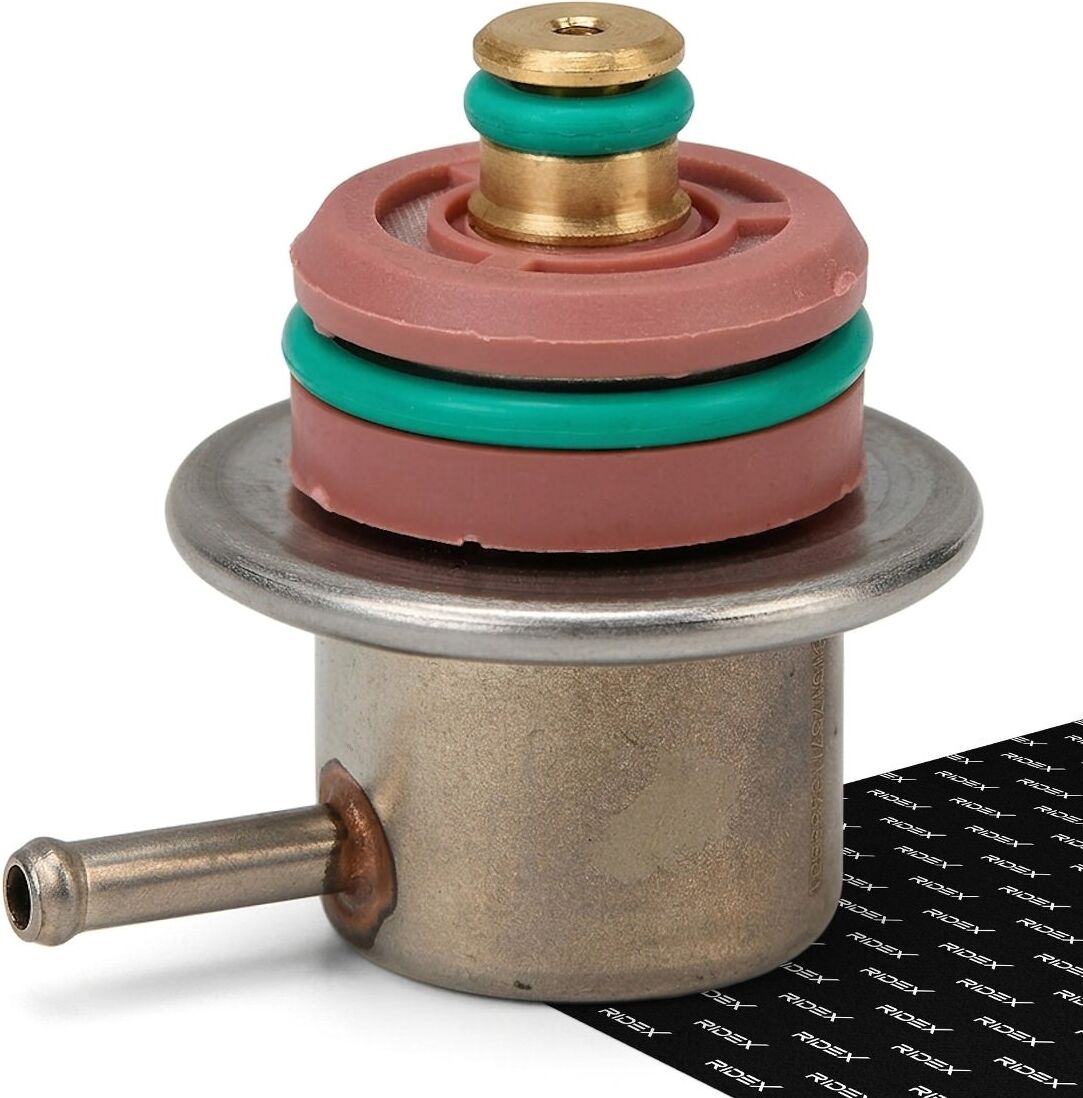
RIDEX 168C0002 Fuel pressure regulatorOperating Mode: hydraulic; Outlet Diameter [mm]: 9; Pressure [bar]: 4; Supplementary Article / Supplementary Info Info 2: with seal ring; Construction Year to: 12/1995, 05/1995, 08/1995, 07/1995, 02/1996, 12/1997, 08/1996, 03/1997, 06/2000, 10/2000, 07/1998, 12/1998, 12/1996, 06/1996, 07/1996, 07/1997, 10/1997, 11/2000, 07/1999, 02/2001, 04/1999, 05/2004, 08/1999, 04/2001, 09/2001, 05/2001, 08/2000, 05/2000, 12/1999, 08/2002, 08/2003, 04/2004, 05/2006, 08/2005, 06/2008, 10/2010, 09/2004, 10/2008, 05/2013, 05/2005, 04/2011, 07/2010, 04/2009, 12/2011, 05/1999; TecDoc Engine Number: 224, 4199, 13949, 13950, 15335, 246, 241, 13775, 13776, 16412, 4197, 9516, 13931, 13932, 5557, 11497, 16237, 5560, 15808, 16259, 16260, 13929, 5556, 16254, 16255, 19252, 13930, 9515, 13951, 13952, 13953, 9518, 14029, 15329, 10813, 15341, 11088, 14028, 15330, 11358, 15337, 15150, 15149, 15155, 16422, 15617, 15346, 16252, 17913, 13928, 13954, 15331, 16729, 17186, 17284, 18242, 19709, 19707, 31764, 31765, 31766, 25266, 31768; Construction Year from: 09/1995, 10/1994, 06/1994, 02/1999, 09/1994, 10/1995, 06/2000, 08/1998, 02/1996, 09/1996, 12/1996, 01/1997, 04/1997, 06/1998, 10/1997, 08/1997, 06/1997, 12/1997, 02/1998, 05/2000, 06/2001, 04/1999, 04/2008, 12/2000, 10/1999, 10/2000, 05/2002, 11/1998, 01/2005, 09/2005, 02/2004, 10/2004, 07/2004, 09/2002, 05/2009, 09/1999, 09/2003, 03/2005, 10/2006, 10/2002, 03/2010; Vehicle Identification Number (VIN) to: 3A-TB012 000, 3A-TD140 000, 3A-TE140 000, 3A..TB012 000, 3A..TE140 000, 3A..TD140 000, 1H..TW360 000, 1H..TB120 000, 1H..TP240 000, 1H..TD360 000; Engine Code: AEJ, ATX, BBG, BBJ, BHF, BEB, BWR, CKHD, CKHC, BWRA, AMX; Vehicle Identification Number (VIN) from: 8E-5-065 000; Vehicle type: <BA 4.0L XR6 Turbo>14,49 £*Shipping: 8,45 £Secure redirect to the provider
-
Does idling consume less fuel than rolling in gear?
Idling consumes more fuel than rolling in gear. When a vehicle is idling, it is using fuel to keep the engine running without moving the vehicle, whereas when the vehicle is rolling in gear, the engine is using less fuel to maintain the vehicle's momentum. Therefore, it is more fuel-efficient to keep the vehicle rolling in gear rather than idling. **
-
Does idling consume less fuel than coasting in gear?
No, idling consumes more fuel than coasting in gear. When a vehicle is idling, the engine is still running and using fuel to maintain the RPMs, even though the vehicle is not moving. On the other hand, coasting in gear allows the vehicle to move forward using the momentum already built up, without using any fuel. Therefore, coasting in gear is a more fuel-efficient option compared to idling. **
-
Does idling consume more fuel than driving in gear?
Yes, idling consumes more fuel than driving in gear. When a vehicle is idling, it is using fuel to keep the engine running without moving the vehicle forward. On the other hand, when the vehicle is driving in gear, the engine is still running but it is also propelling the vehicle forward, making more efficient use of the fuel. Therefore, it is more fuel-efficient to drive in gear than to idle. **
-
At what pressure does air become so hot that it ignites the fuel in a diesel engine?
Air becomes so hot that it ignites the fuel in a diesel engine at a pressure of around 500 psi (pounds per square inch). This high pressure causes the air to reach temperatures of over 1,000 degrees Fahrenheit, which is hot enough to ignite the diesel fuel without the need for a spark plug. This process is known as compression ignition, and it is the key principle behind the operation of diesel engines. **
* All prices are inclusive of VAT and, if applicable, plus shipping costs. The offer information is based on the details provided by the respective shop and is updated through automated processes. Real-time updates do not occur, so deviations can occur in individual cases. ** Note: Parts of this content were created by AI.