Buy ykh.eu ?
We are moving the project
ykh.eu .
Are you interested in purchasing the domain
ykh.eu ?
domain@kv-gmbh.de · 0541-91531010
Buy ykh.eu ?
What is the shift point in 2nd gear?
The shift point in 2nd gear can vary depending on the specific vehicle and its transmission. However, in general, the shift point in 2nd gear is typically around 3000-4000 RPM for most vehicles. This means that the transmission will automatically shift from 2nd gear to 3rd gear once the engine reaches this RPM range, allowing the vehicle to continue accelerating smoothly. It's important to note that the shift point can be influenced by factors such as the vehicle's engine power, transmission type, and driving conditions. **
In which gear do you drive uphill?
When driving uphill, it is recommended to use a lower gear such as second or third gear. This will provide more power to the wheels, making it easier to climb the incline without straining the engine. Using a lower gear also helps to maintain a steady speed and prevent the vehicle from rolling backwards. **
Similar search terms for POINT-GEAR-PNG73200-Drive
Top-Angebote
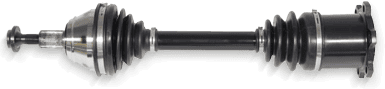
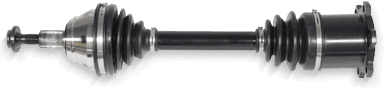
Products related to POINT-GEAR-PNG73200-Drive:
-
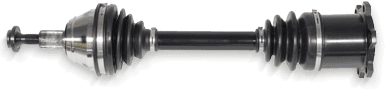
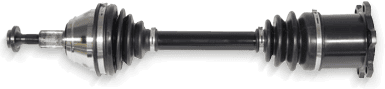
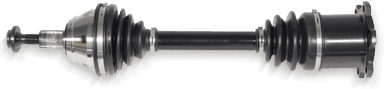
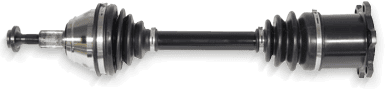
POINT GEAR PNG72970 Drive shaftLength [mm]: 516; External Toothing wheel side: 36; Diameter 1 [mm]: 85; Diameter 2 [mm]: 94; Fitting Position: Front Axle Left; Braking/Driving Dynamics: for vehicles with ABS; Transmission Number: M5; Transmission Type: Manual Transmission; Drive Shaft: without ABS ring191,99 £*Shipping: 1,99 £Secure redirect to the provider
-
POINT GEAR PNG73080 Drive shaftExchange Part: ; Length [mm]: 532; External Toothing wheel side: 40; Wheel-sided joint diameter [mm]: 100; External Toothing differential side: 31; Transmission-sided joint diameter [mm]: 92; Fitting Position: Front Axle Left; Transmission Type: Automatic Transmission229,99 £*Shipping: 1,99 £Secure redirect to the provider
-
POINT GEAR PNG75945 Drive shaftLength [mm]: 622; External Toothing wheel side: 28; Diameter 1 [mm]: 87; External Toothing differential side: 28; Diameter 2 [mm]: 85; Fitting Position: Front Axle Left, Front Axle Right; Internal Gearing Diff. Side (connecting shaft connection): 28; Transmission Type: Manual Transmission, Automatic Transmission; Transmission Code: Robotis e, M6; Transmission Number: M6, R6; Braking/Driving Dynamics: for vehicles with ABS; Drive Shaft: without ABS ring133,99 £*Shipping: 8,45 £Secure redirect to the provider
-
Can you drive continuously in 6th gear?
Yes, you can drive continuously in 6th gear as long as the engine is able to maintain a steady speed without lugging or straining. 6th gear is typically an overdrive gear, meaning it allows the engine to run at a lower RPM for better fuel efficiency at higher speeds. However, if the engine starts to struggle or the vehicle begins to lose speed, it may be necessary to downshift to a lower gear. **
-
When should one drive in a high gear and when in a low gear?
One should drive in a high gear when driving at high speeds on a flat road or downhill, as this allows the engine to operate more efficiently and reduces fuel consumption. On the other hand, one should drive in a low gear when driving at low speeds, going uphill, or towing heavy loads, as this provides more power and torque to the wheels, making it easier to maintain speed and control the vehicle. It's important to match the gear to the driving conditions in order to optimize fuel efficiency and vehicle performance. **
-
Can you drive over 100 in first gear?
Driving over 100 mph in first gear is not recommended and can be dangerous for both the vehicle and the driver. First gear is designed for low speeds and high torque, not for high-speed driving. Attempting to drive at such high speeds in first gear can cause excessive strain on the engine and transmission, leading to potential damage. It is always best to follow the manufacturer's recommendations for safe and efficient driving. **
-
At which gear should one drive and when?
The appropriate gear to drive in depends on the speed and conditions of the road. For lower speeds, such as when starting from a stop or driving in heavy traffic, first or second gear is typically used. As the speed increases, shifting to higher gears such as third, fourth, and fifth is necessary to maintain fuel efficiency and prevent engine strain. When driving downhill or in slippery conditions, using a lower gear can provide better control and braking power. It's important to always follow the manufacturer's recommendations for gear usage in your specific vehicle. **
How fast can I drive in second gear?
The maximum speed you can drive in second gear depends on the specific gear ratios of your vehicle. In general, second gear is designed for lower speeds and higher torque, so it is typically used for speeds up to around 30-40 mph. However, it's important to consult your vehicle's manual or contact the manufacturer for the specific recommended speed range for second gear in your vehicle. Driving at excessively high speeds in second gear can cause damage to the engine and transmission. **
Can you drive in second gear at walking speed?
Yes, you can drive in second gear at walking speed, but it may not be the most efficient or comfortable way to drive. Second gear is typically used for speeds between 10-20 mph, so driving at walking speed in second gear may cause the engine to rev higher than necessary. It is recommended to use first gear for very slow speeds like walking pace to prevent strain on the engine and transmission. **
Top-Angebote
Products related to POINT-GEAR-PNG73200-Drive:
-
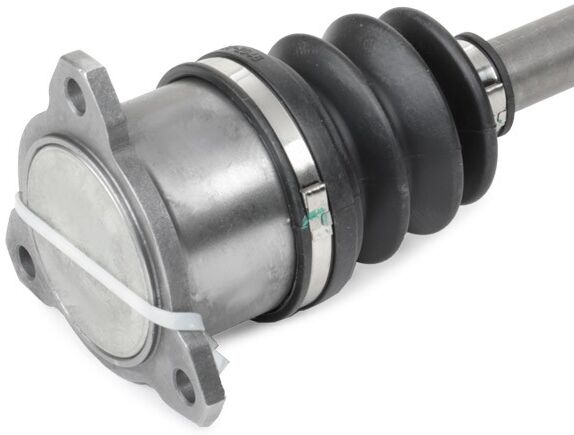
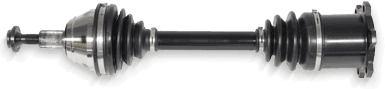
POINT GEAR PNG75995 Drive shaftLength [mm]: 626; External Toothing wheel side: 27; Diameter 1 [mm]: 91; External Toothing differential side: 28; Diameter 2 [mm]: 88; Fitting Position: Front Axle Left; Transmission Type: Automatic Transmission; Transmission Number: MPS6; Braking/Driving Dynamics: for vehicles with ABS; Drive Shaft: without ABS ring152,99 £*Shipping: 1,99 £Secure redirect to the provider
-
POINT GEAR PNG72970 Drive shaftLength [mm]: 516; External Toothing wheel side: 36; Diameter 1 [mm]: 85; Diameter 2 [mm]: 94; Fitting Position: Front Axle Left; Braking/Driving Dynamics: for vehicles with ABS; Transmission Number: M5; Transmission Type: Manual Transmission; Drive Shaft: without ABS ring191,99 £*Shipping: 1,99 £Secure redirect to the provider
-
What is the shift point in 2nd gear?
The shift point in 2nd gear can vary depending on the specific vehicle and its transmission. However, in general, the shift point in 2nd gear is typically around 3000-4000 RPM for most vehicles. This means that the transmission will automatically shift from 2nd gear to 3rd gear once the engine reaches this RPM range, allowing the vehicle to continue accelerating smoothly. It's important to note that the shift point can be influenced by factors such as the vehicle's engine power, transmission type, and driving conditions. **
-
In which gear do you drive uphill?
When driving uphill, it is recommended to use a lower gear such as second or third gear. This will provide more power to the wheels, making it easier to climb the incline without straining the engine. Using a lower gear also helps to maintain a steady speed and prevent the vehicle from rolling backwards. **
-
Can you drive continuously in 6th gear?
Yes, you can drive continuously in 6th gear as long as the engine is able to maintain a steady speed without lugging or straining. 6th gear is typically an overdrive gear, meaning it allows the engine to run at a lower RPM for better fuel efficiency at higher speeds. However, if the engine starts to struggle or the vehicle begins to lose speed, it may be necessary to downshift to a lower gear. **
-
When should one drive in a high gear and when in a low gear?
One should drive in a high gear when driving at high speeds on a flat road or downhill, as this allows the engine to operate more efficiently and reduces fuel consumption. On the other hand, one should drive in a low gear when driving at low speeds, going uphill, or towing heavy loads, as this provides more power and torque to the wheels, making it easier to maintain speed and control the vehicle. It's important to match the gear to the driving conditions in order to optimize fuel efficiency and vehicle performance. **
Similar search terms for POINT-GEAR-PNG73200-Drive
-
POINT GEAR PNG73080 Drive shaftExchange Part: ; Length [mm]: 532; External Toothing wheel side: 40; Wheel-sided joint diameter [mm]: 100; External Toothing differential side: 31; Transmission-sided joint diameter [mm]: 92; Fitting Position: Front Axle Left; Transmission Type: Automatic Transmission229,99 £*Shipping: 1,99 £Secure redirect to the provider
-
POINT GEAR PNG75945 Drive shaftLength [mm]: 622; External Toothing wheel side: 28; Diameter 1 [mm]: 87; External Toothing differential side: 28; Diameter 2 [mm]: 85; Fitting Position: Front Axle Left, Front Axle Right; Internal Gearing Diff. Side (connecting shaft connection): 28; Transmission Type: Manual Transmission, Automatic Transmission; Transmission Code: Robotis e, M6; Transmission Number: M6, R6; Braking/Driving Dynamics: for vehicles with ABS; Drive Shaft: without ABS ring133,99 £*Shipping: 8,45 £Secure redirect to the provider
-
POINT GEAR PNG73203 Drive shaftExternal Toothing wheel side: 26; External Toothing differential side: 22; Fitting Position: Front Axle Left; Length [mm]: 525; Braking/Driving Dynamics: for vehicles with ABS; Braking/Driving Dynamics: for vehicles without ABS; Transmission Type: Manual Transmission, Fully Automatic260,99 £*Shipping: 1,99 £Secure redirect to the provider
-
POINT GEAR PNG74929 Drive shaftLength [mm]: 680; External Toothing wheel side: 30; Diameter 1 [mm]: 97; External Toothing differential side: 28; Diameter 2 [mm]: 87; Number of Teeth, ABS ring: 52; Fitting Position: Front Axle Left; Transmission Type: Automatic Transmission; Braking/Driving Dynamics: for vehicles with ABS149,99 £*Shipping: 1,99 £Secure redirect to the provider
-
Can you drive over 100 in first gear?
Driving over 100 mph in first gear is not recommended and can be dangerous for both the vehicle and the driver. First gear is designed for low speeds and high torque, not for high-speed driving. Attempting to drive at such high speeds in first gear can cause excessive strain on the engine and transmission, leading to potential damage. It is always best to follow the manufacturer's recommendations for safe and efficient driving. **
-
At which gear should one drive and when?
The appropriate gear to drive in depends on the speed and conditions of the road. For lower speeds, such as when starting from a stop or driving in heavy traffic, first or second gear is typically used. As the speed increases, shifting to higher gears such as third, fourth, and fifth is necessary to maintain fuel efficiency and prevent engine strain. When driving downhill or in slippery conditions, using a lower gear can provide better control and braking power. It's important to always follow the manufacturer's recommendations for gear usage in your specific vehicle. **
-
How fast can I drive in second gear?
The maximum speed you can drive in second gear depends on the specific gear ratios of your vehicle. In general, second gear is designed for lower speeds and higher torque, so it is typically used for speeds up to around 30-40 mph. However, it's important to consult your vehicle's manual or contact the manufacturer for the specific recommended speed range for second gear in your vehicle. Driving at excessively high speeds in second gear can cause damage to the engine and transmission. **
-
Can you drive in second gear at walking speed?
Yes, you can drive in second gear at walking speed, but it may not be the most efficient or comfortable way to drive. Second gear is typically used for speeds between 10-20 mph, so driving at walking speed in second gear may cause the engine to rev higher than necessary. It is recommended to use first gear for very slow speeds like walking pace to prevent strain on the engine and transmission. **
* All prices are inclusive of VAT and, if applicable, plus shipping costs. The offer information is based on the details provided by the respective shop and is updated through automated processes. Real-time updates do not occur, so deviations can occur in individual cases. ** Note: Parts of this content were created by AI.