Buy ykh.eu ?
We are moving the project
ykh.eu .
Are you interested in purchasing the domain
ykh.eu ?
domain@kv-gmbh.de · 0541-91531010
Buy ykh.eu ?
What are the basic concepts of computer science?
The basic concepts of computer science include algorithms, which are step-by-step procedures for solving problems; data structures, which are ways of organizing and storing data for efficient access and manipulation; and programming languages, which are used to write instructions for computers to execute tasks. Computer science also involves the study of computer architecture, which includes the design and organization of computer systems, as well as the theory of computation, which explores the limits of what can be computed algorithmically. Overall, computer science is a broad field that encompasses a wide range of topics related to the study of computers and computational systems. **
What are the basic principles of computer science?
The basic principles of computer science include algorithms, data structures, and computational thinking. Algorithms are step-by-step procedures for solving problems, while data structures are the way data is organized and stored in a computer. Computational thinking involves breaking down complex problems into smaller, more manageable parts and finding efficient solutions. These principles form the foundation of computer science and are essential for understanding and developing computer programs and systems. **
Similar search terms for Elsevier-Basic-Science-for
Top-Angebote
Products related to Elsevier-Basic-Science-for:
-
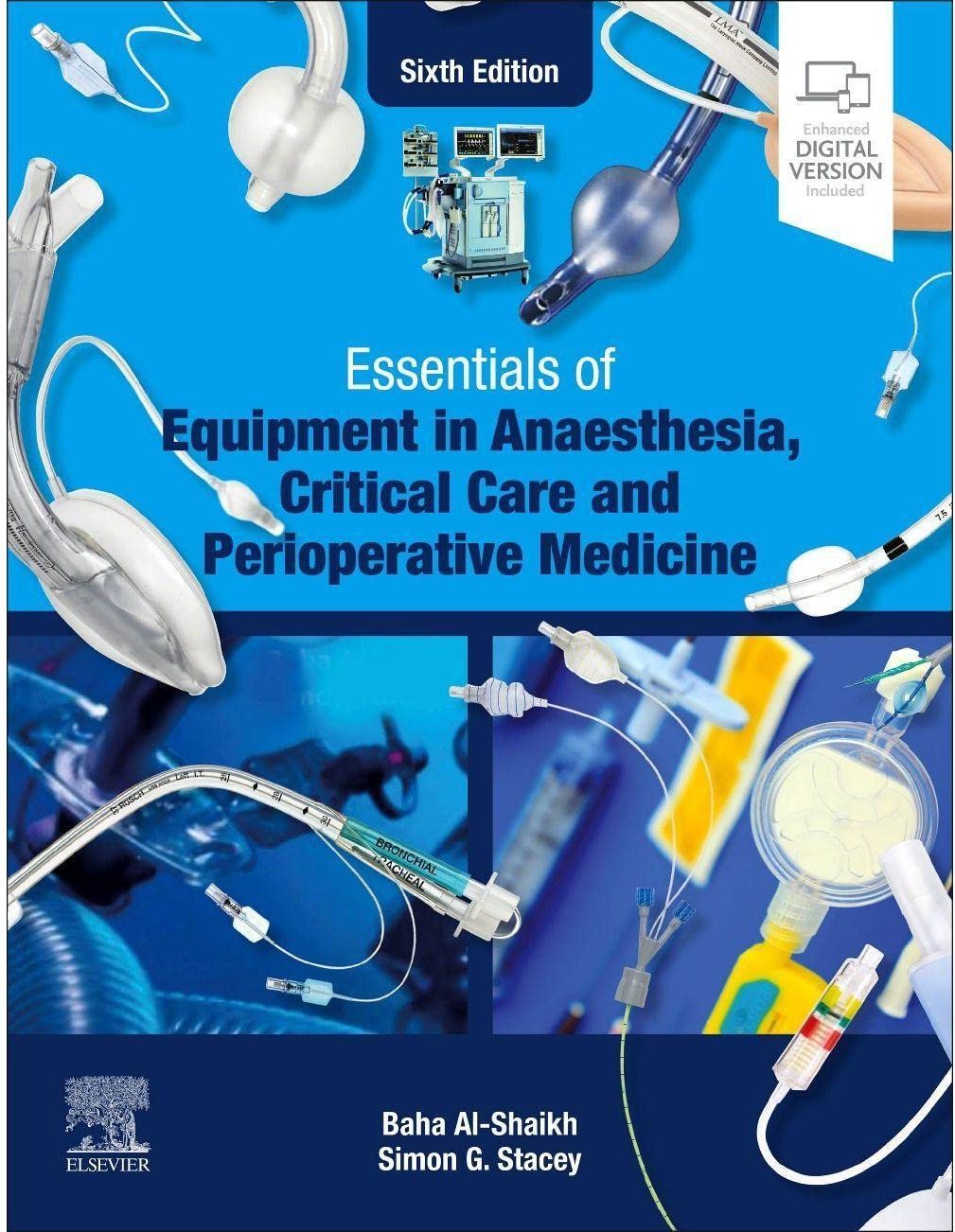
Elsevier Essentials of Equipment in Anaesthesia, Critical Care and Perioperative MedicineEasy to read and follow, Essentials of Equipment in Anaesthesia, Critical Care and Perioperative Medicine makes an otherwise dry subject digestible and easy to learn. This practical textbook comprehensively covers all the equipment used in the operating theatre and intensive care unit, including why it is used and any related safety concerns. It has been fully updated in its sixth edition to include new technologies introduced during the Covid-19 pandemic. This is ideal as the main text for all trainees undertaking the primary FRCA exams and is also suitable anyone who works with anaesthetic equipment, including anaesthetic and intensive care nurses and operating department practitioners. It features concise and consistent text and illustrations, self-assessment features, and exam tips. Portable, concise and simply formatted - a perfect practical companion Clear coloured images and illustrations bring the text to life Follows the Royal College of Anaesthetists postgraduate training and exam syllabus Summary boxes, more than 100 exam style questions, and OSCE stations and exam tips all aid the reader in exam revision Covers new equipment and fully updated relevant to current practice Suggested further reading fully updated New information on: Aladin Cassettes; Glostavent machine; CONTRAfluran system; videolaryngoscopy and high definition camera use in intubation and endoscopy; use of ultrasound in epidural; Penthrox; NRFit devices; Cell saver; ECMO38,99 £*Shipping: 0,00 £Secure redirect to the provider
-
Elsevier Mayes' MidwiferyMayes' Midwifery is a core text for students in the UK, known and loved for its in-depth approach and its close alignment with curricula and practice in this country. The sixteenth edition has been fully updated by leading midwifery educators Sue Macdonald and Gail Johnson, and input from several new expert contributors ensures this book remains at the cutting edge. The text covers all the main aspects of midwifery in detail, including the various stages of pregnancy, possible complexities around childbirth, and psychological and social considerations related to women's health. It provides the most recent evidence along with detailed anatomy and physiology information, and how these translate into practice. Packed full of case studies, reflective activities and images, and accompanied by an ancillary website with 600 multiple choice questions and downloadable images, Mayes' Midwifery makes learning easy for nursing students entering the profession as well as midwives returning to practice and qualified midwives working in different settings in the UK and overseas. Expert contributors include midwifery academics and clinicians, researchers, physiotherapists, neonatal nurse specialists, social scientists and legal experts Learning outcomes and key points to support structured study Reflective activities to apply theory to practice Figures, tables and breakout boxes help navigation and revision Associated online resources with over 600 MCQs, reflective activities, case studies, downloadable image bank to help with essay and assignment preparation Further reading to deepen knowledge and understanding New chapters addressing the issues around being a student midwife and entering the profession More detail about FGM and its legal implications, as well as transgender/binary individuals in pregnancy and childbirth New information on infection and control following from the COVID-19 pandemic Enhanced artwork program43,80 £*Shipping: 0,00 £Secure redirect to the provider
-
Elsevier 150 ECG Cases150 ECG Problems presents clinical problems in the shape of simple case histories together with the relevant ECG. Detailed answers concentrate on the clinical interpretation of the results and give advice on what to do. The book can be used as a standalone method of practising ECG interpretation, and even with the most difficult ECGs a beginner will be able to make an accurate description of the trace and will be guided towards the key aspects of the interpretation. The unique page size allows presentation of 12-lead ECGs across a single page for clarity. Several of the cases incorporate chest X-rays and coronary angiograms illustrating the appearances that are associated with various cardiac conditions. All the cases are graded in difficulty and are cross-referenced to the new editions of ECG Made Easy and ECG in Practice for further information.12,95 £*Shipping: 2,99 £Secure redirect to the provider
-
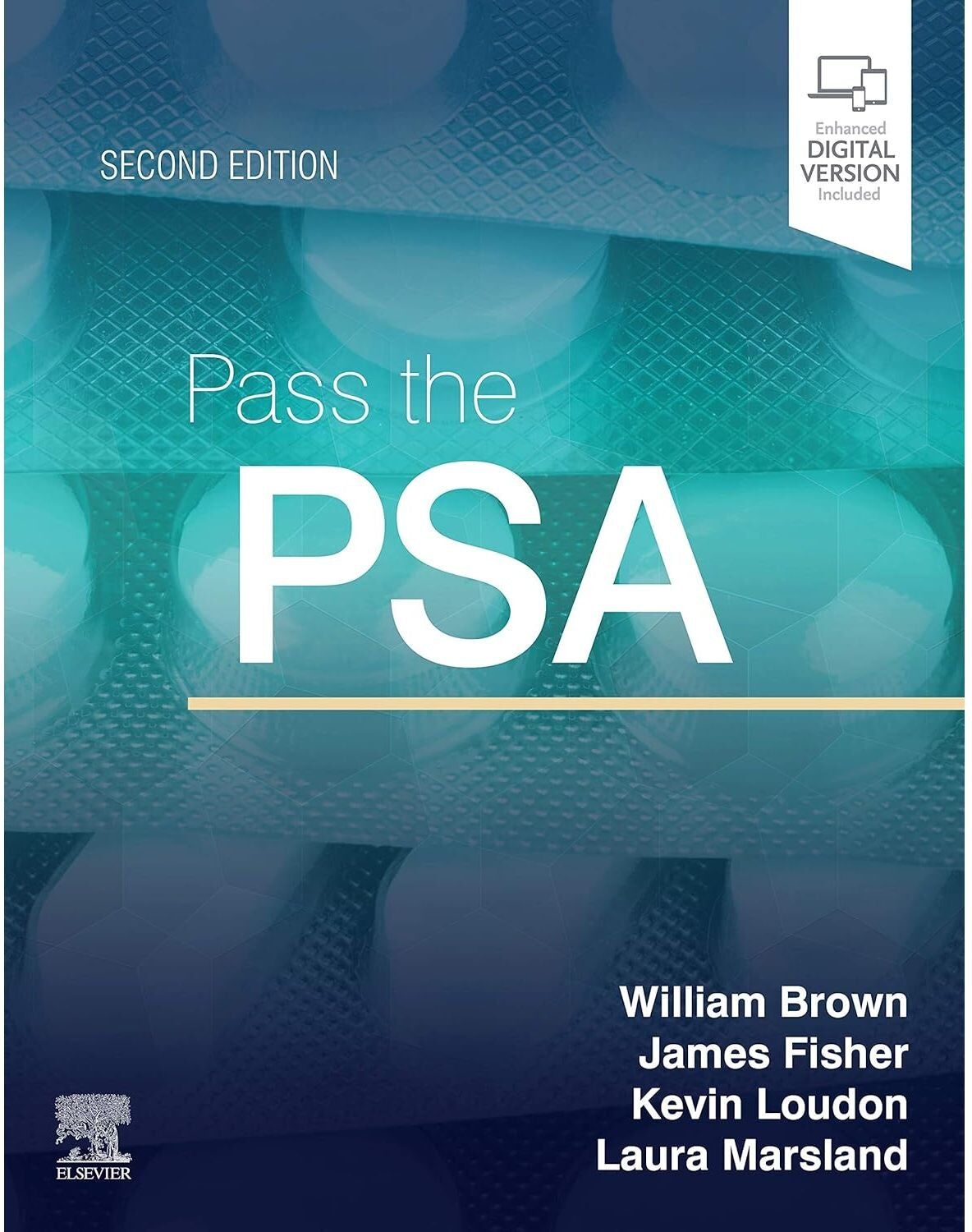
Elsevier Pass the PSAFully updated for its second edition, Pass the PSA is written specifically for the Prescribing Safety Assessment (PSA) exam, with one chapter dedicated to each PSA exam section. This latest edition: Introduces a simple, memorable and failsafe approach to prescribing (the 'PReSCRIBER' mnemonic) Specifies the universal basic principles of prescribing for all sections Examines each section's question structure and how to approach it questions (structured identically to the exam) that conclude each chapter Covers all scenarios suggested for questioning in the PSA blueprint Highlights common traps throughout Contains two mock exams Includes finals-level sections on data interpretation and management28,95 £*Shipping: 2,99 £Secure redirect to the provider


-
What is the basic equipment for baseball?
The basic equipment for baseball includes a bat, a ball, gloves, and a helmet. The bat is used by the batter to hit the ball, which is then caught or fielded by the opposing team. Gloves are worn by players to catch and field the ball, while helmets are worn by batters and base runners for protection. Additionally, players also wear cleats for better traction on the field. **
-
What basic equipment do I need for handball?
To play handball, you will need a few basic pieces of equipment. First, you will need a handball, which is a small, rubber ball specifically designed for the sport. You will also need appropriate athletic clothing, including shorts, a jersey, and athletic shoes with good traction. Additionally, you may want to consider wearing protective gear such as knee pads and gloves to prevent injuries during play. Finally, you will need access to a handball court, which typically has specific dimensions and markings for the game. **
-
What is the basic equipment for Icelandic horses?
The basic equipment for Icelandic horses includes a well-fitted saddle, a bridle with a bit, a saddle pad or numnah, and appropriate footwear such as horseshoes or hoof boots. Additionally, a halter and lead rope are essential for handling and leading the horse. It is also important to have grooming tools such as a brush, hoof pick, and mane comb to keep the horse clean and well-maintained. **
-
How do I learn basic computer science knowledge from scratch?
To learn basic computer science knowledge from scratch, you can start by studying fundamental concepts such as algorithms, data structures, and programming languages. There are many online resources and tutorials available for free, such as Codecademy, Khan Academy, and Coursera, which offer introductory courses in computer science. Additionally, you can consider enrolling in a beginner-level computer science course at a local community college or university. It's important to practice coding regularly and work on small projects to reinforce your understanding of the concepts. Finally, joining online communities and forums can provide valuable support and guidance as you learn. **

What is included in the basic equipment for vaulting?
The basic equipment for vaulting includes a vaulting surcingle, which is a padded belt that goes around the horse's barrel and has handles for the vaulter to hold onto. A vaulting pad or pad with attached handles is also essential to provide cushioning and grip for the vaulter. Additionally, a vaulting whip or baton is used by the vaulter to help with balance and timing during the routine. Finally, a properly fitted helmet is crucial to ensure the vaulter's safety while performing on the horse. **
What is included in the basic equipment for riding?
The basic equipment for riding includes a properly fitted helmet to protect the head in case of a fall, sturdy and comfortable riding boots with a small heel to prevent the foot from slipping through the stirrup, and appropriate clothing such as long pants and a fitted shirt to prevent chafing. Additionally, a saddle and bridle are essential for controlling the horse and providing a comfortable and secure seat for the rider. It is also important to have grooming tools and a hoof pick to properly care for the horse before and after riding. **
Top-Angebote
Products related to Elsevier-Basic-Science-for:
-
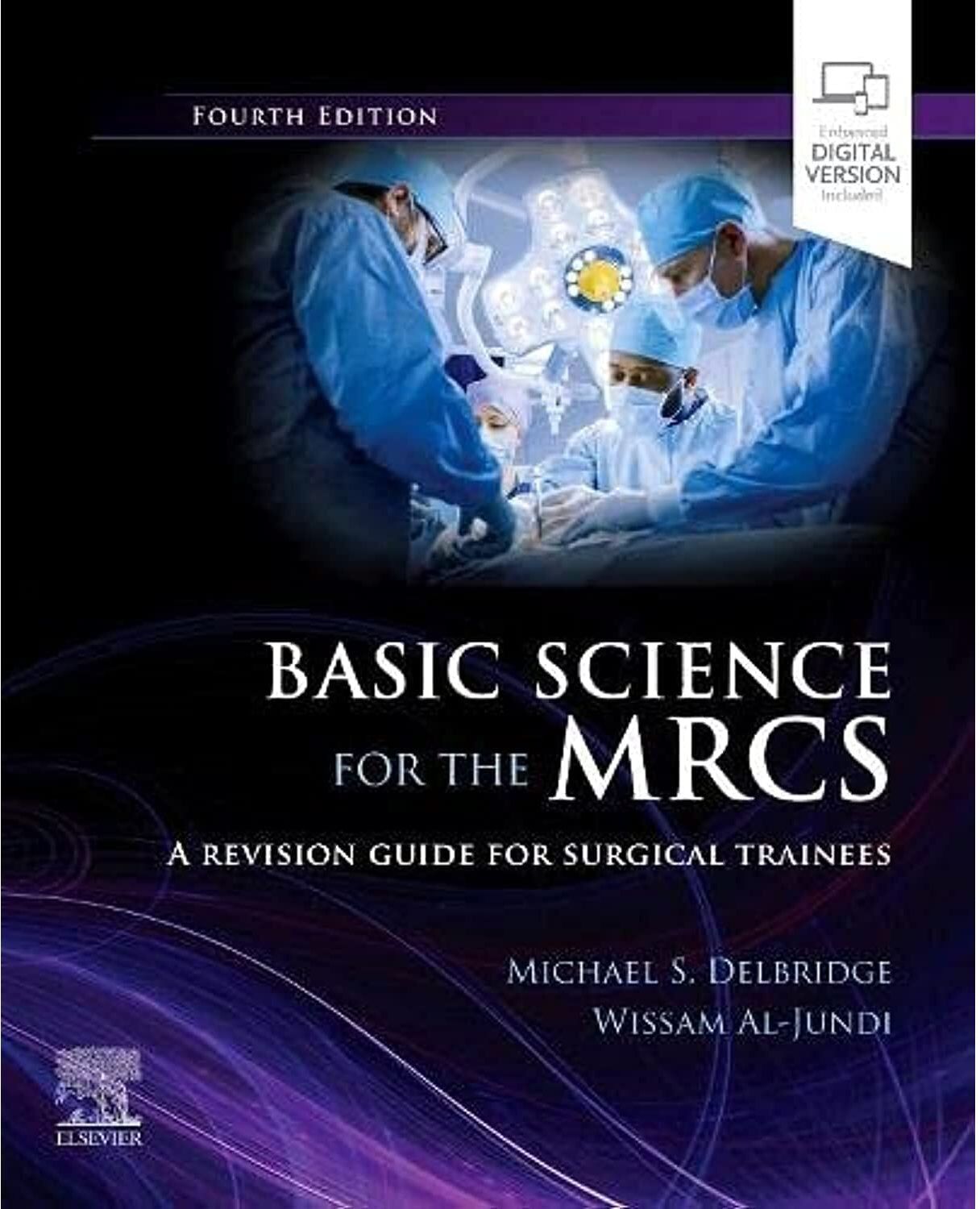
Elsevier Basic Science for the MRCS: A revision guide for surgical trainees (MRCS Study Guides)A concise revision guide to the core basic sciences for all surgical trainees preparing for Part A of the Intercollegiate MRCS examination. Covering the essential facts for anatomy, physiology and pathology, with indications of both their clinical relevance and importance. Focusing on the recurring examination themes for initial surgical training, this title is designed for the basic surgical trainee as well as proving useful for those in higher surgical training and for the surgically-inclined, well-motivated student. Covers the essentials of the basic sciences - anatomy, physiology and pathology - for the MRCS examination. Explains the application and clinical relevance of the three sciences. Bulleted text for easy reading and rapid exam preparation. Focused on the common themes of the examination. Clear annotated line drawings to aid learning. 250 new online single-best answer questions in the format of the MRCS Part A examination. Each answer will refer back to text for further reading as required. New OSCE 'Clinical scenarios' at the end of every chapter.33,99 £*Shipping: 2,99 £Secure redirect to the provider
-
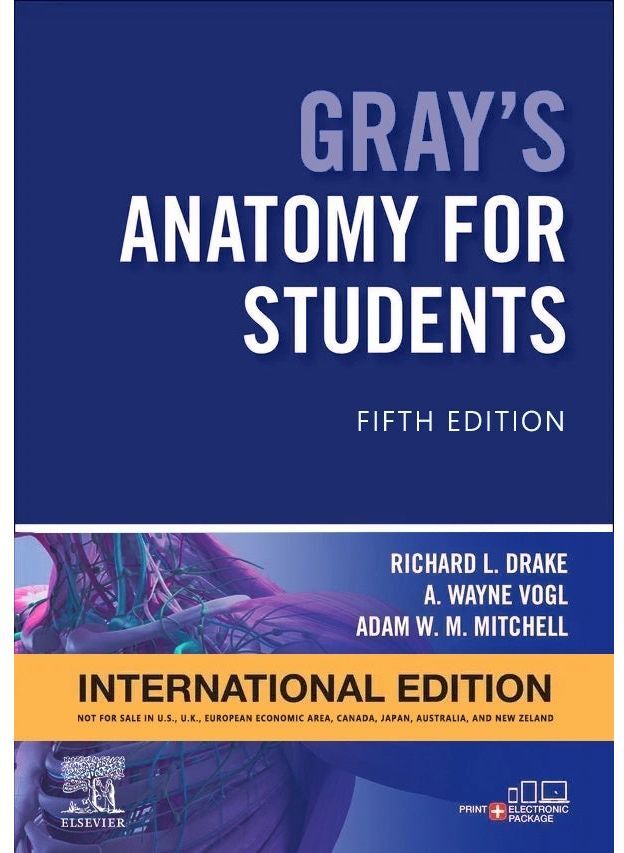
Elsevier Gray's Anatomy for StudentsConcise, readable text and an outstanding art program make Gray's Anatomy for Students, 5th Edition, your go-to text for essential information in human anatomy. This fully revised volume focuses on the core information medical students need to know, in an easy-access format and with additional multimedia content to facilitate effective study and mastery of the material. A team of expert authors share a wealth of diverse teaching and clinical experience-all enhanced by more than 1,000 innovative, original illustrations by renowned illustrators Richard Tibbitts and Paul Richardson, who capture anatomical features with unrivalled clarity. Helps you understand the practical applications of anatomical concepts through unique coverage of surface anatomy, correlative diagnostic images, and clinical case studies. Contains increased representation of diverse population groups throughout, incorporating a wider range of skin tones and important clinical considerations related to transgender and intersex individuals. Presents anatomy logically by body region - as well as bonus updated eBook chapters for each major body system to facilitate learning from a different perspective. Includes new and improved online materials such as self-assessment questions, medical and physical therapy clinical cases, a unique Interactive Surface Anatomy tool, and more. Provides fully revised and updated clinical content including numerous new In the Clinic boxes, images, and correlates throughout that reflect the latest advances seen in clinical practice. New and updated Clinical Cases are included in the accompanying enhanced eBook. Features an updated neuroanatomy eBook chapter, so you can learn key aspects of this challenging topic in the context of general anatomy. Improves comprehension of complex cranial nerves with a visual map summarizing cranial nerve distribution and function. Offers schematic drawings for key structures and topics in every chapter, providing an additional, simplified approach to introduce each topic-ideal for quick initial understanding and as a guide for your own anatomy drawings. Enables you to quickly review the basic concepts from each chapter with Conceptual Overviews. An eBook version is included with purchase. The eBook allows you to access all of the text, figures and references, with the ability to search, customize your content, make notes and highlights, and have content read aloud. Evolve Instructor site with a downloadable image bank is available to instructors through their Elsevier sales rep or via request at https://evolve.elsevier.com.28,99 £*Shipping: 2,99 £Secure redirect to the provider
-
Elsevier Essentials of Equipment in Anaesthesia, Critical Care and Perioperative MedicineEasy to read and follow, Essentials of Equipment in Anaesthesia, Critical Care and Perioperative Medicine makes an otherwise dry subject digestible and easy to learn. This practical textbook comprehensively covers all the equipment used in the operating theatre and intensive care unit, including why it is used and any related safety concerns. It has been fully updated in its sixth edition to include new technologies introduced during the Covid-19 pandemic. This is ideal as the main text for all trainees undertaking the primary FRCA exams and is also suitable anyone who works with anaesthetic equipment, including anaesthetic and intensive care nurses and operating department practitioners. It features concise and consistent text and illustrations, self-assessment features, and exam tips. Portable, concise and simply formatted - a perfect practical companion Clear coloured images and illustrations bring the text to life Follows the Royal College of Anaesthetists postgraduate training and exam syllabus Summary boxes, more than 100 exam style questions, and OSCE stations and exam tips all aid the reader in exam revision Covers new equipment and fully updated relevant to current practice Suggested further reading fully updated New information on: Aladin Cassettes; Glostavent machine; CONTRAfluran system; videolaryngoscopy and high definition camera use in intubation and endoscopy; use of ultrasound in epidural; Penthrox; NRFit devices; Cell saver; ECMO38,99 £*Shipping: 0,00 £Secure redirect to the provider
-
Elsevier Mayes' MidwiferyMayes' Midwifery is a core text for students in the UK, known and loved for its in-depth approach and its close alignment with curricula and practice in this country. The sixteenth edition has been fully updated by leading midwifery educators Sue Macdonald and Gail Johnson, and input from several new expert contributors ensures this book remains at the cutting edge. The text covers all the main aspects of midwifery in detail, including the various stages of pregnancy, possible complexities around childbirth, and psychological and social considerations related to women's health. It provides the most recent evidence along with detailed anatomy and physiology information, and how these translate into practice. Packed full of case studies, reflective activities and images, and accompanied by an ancillary website with 600 multiple choice questions and downloadable images, Mayes' Midwifery makes learning easy for nursing students entering the profession as well as midwives returning to practice and qualified midwives working in different settings in the UK and overseas. Expert contributors include midwifery academics and clinicians, researchers, physiotherapists, neonatal nurse specialists, social scientists and legal experts Learning outcomes and key points to support structured study Reflective activities to apply theory to practice Figures, tables and breakout boxes help navigation and revision Associated online resources with over 600 MCQs, reflective activities, case studies, downloadable image bank to help with essay and assignment preparation Further reading to deepen knowledge and understanding New chapters addressing the issues around being a student midwife and entering the profession More detail about FGM and its legal implications, as well as transgender/binary individuals in pregnancy and childbirth New information on infection and control following from the COVID-19 pandemic Enhanced artwork program43,80 £*Shipping: 0,00 £Secure redirect to the provider
-
What are the basic concepts of computer science?
The basic concepts of computer science include algorithms, which are step-by-step procedures for solving problems; data structures, which are ways of organizing and storing data for efficient access and manipulation; and programming languages, which are used to write instructions for computers to execute tasks. Computer science also involves the study of computer architecture, which includes the design and organization of computer systems, as well as the theory of computation, which explores the limits of what can be computed algorithmically. Overall, computer science is a broad field that encompasses a wide range of topics related to the study of computers and computational systems. **
-
What are the basic principles of computer science?
The basic principles of computer science include algorithms, data structures, and computational thinking. Algorithms are step-by-step procedures for solving problems, while data structures are the way data is organized and stored in a computer. Computational thinking involves breaking down complex problems into smaller, more manageable parts and finding efficient solutions. These principles form the foundation of computer science and are essential for understanding and developing computer programs and systems. **
-
What is the basic equipment for baseball?
The basic equipment for baseball includes a bat, a ball, gloves, and a helmet. The bat is used by the batter to hit the ball, which is then caught or fielded by the opposing team. Gloves are worn by players to catch and field the ball, while helmets are worn by batters and base runners for protection. Additionally, players also wear cleats for better traction on the field. **
-
What basic equipment do I need for handball?
To play handball, you will need a few basic pieces of equipment. First, you will need a handball, which is a small, rubber ball specifically designed for the sport. You will also need appropriate athletic clothing, including shorts, a jersey, and athletic shoes with good traction. Additionally, you may want to consider wearing protective gear such as knee pads and gloves to prevent injuries during play. Finally, you will need access to a handball court, which typically has specific dimensions and markings for the game. **
Similar search terms for Elsevier-Basic-Science-for
-
Elsevier 150 ECG Cases150 ECG Problems presents clinical problems in the shape of simple case histories together with the relevant ECG. Detailed answers concentrate on the clinical interpretation of the results and give advice on what to do. The book can be used as a standalone method of practising ECG interpretation, and even with the most difficult ECGs a beginner will be able to make an accurate description of the trace and will be guided towards the key aspects of the interpretation. The unique page size allows presentation of 12-lead ECGs across a single page for clarity. Several of the cases incorporate chest X-rays and coronary angiograms illustrating the appearances that are associated with various cardiac conditions. All the cases are graded in difficulty and are cross-referenced to the new editions of ECG Made Easy and ECG in Practice for further information.12,95 £*Shipping: 2,99 £Secure redirect to the provider
-
Elsevier Pass the PSAFully updated for its second edition, Pass the PSA is written specifically for the Prescribing Safety Assessment (PSA) exam, with one chapter dedicated to each PSA exam section. This latest edition: Introduces a simple, memorable and failsafe approach to prescribing (the 'PReSCRIBER' mnemonic) Specifies the universal basic principles of prescribing for all sections Examines each section's question structure and how to approach it questions (structured identically to the exam) that conclude each chapter Covers all scenarios suggested for questioning in the PSA blueprint Highlights common traps throughout Contains two mock exams Includes finals-level sections on data interpretation and management28,95 £*Shipping: 2,99 £Secure redirect to the provider
-
Elsevier The ECG Made EasyFor over forty years The ECG Made Easy has been regarded as the best introductory guide to the ECG, with sales of over half a million copies as well as being translated into more than a dozen languages. Hailed by the British Medical Journal as a "medical classic", it has been a favourite of generations of medical and health care staff who require clear, basic knowledge about the ECG. This famous book encourages the reader to accept that the ECG is easy to understand and that its use is just a natural extension of taking the patient's history and performing a physical examination. It directs users of the electrocardiogram to straightforward and accurate identification of normal and abnormal ECG patterns. A practical and highly informative guide to a difficult subject. Provides a full understanding of the ECG in the diagnosis and management of abnormal cardiac rhythms. Emphasises the role of the full 12 lead ECG with realistic reproduction of recordings. The unique page size allows presentation of 12-lead ECGs across a single page for clarity.12,99 £*Shipping: 2,99 £Secure redirect to the provider
-
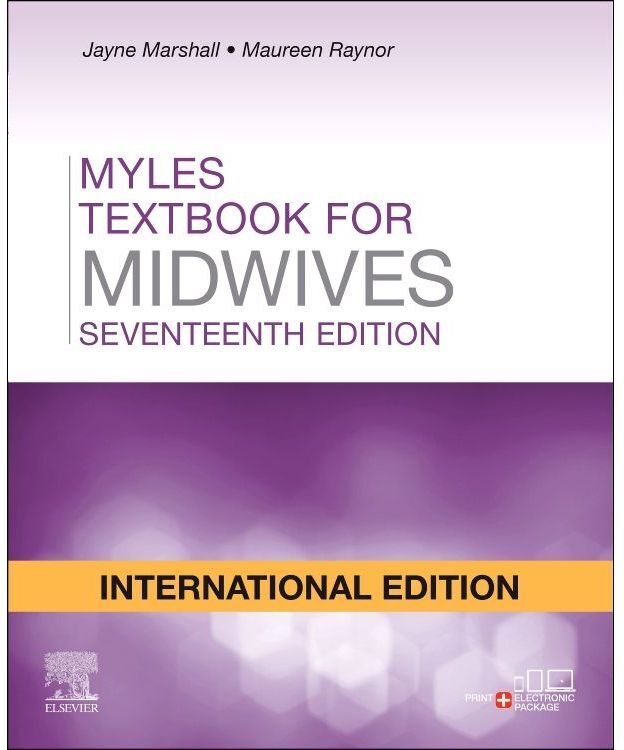
Elsevier Myles Textbook for Midwives, International Edition, 17th EditionWritten by midwives for midwives, Myles Textbook for Midwives has been the seminal textbook of midwifery for over 60 years. It offers comprehensive coverage of topics fundamental to 21st midwifery practice. Co-edited for the second time, by internationally renowned midwife educationalists, Professor Jayne E Marshall and Maureen D Raynor from the United Kingdom with a team of contributors from across the midwifery community it retains its clear, accessible writing style. Most chapters provide useful case studies, websites of key organisations and charities for individuals to access further information. Reflective questions at the end of each chapter as well as annotated further reading aid reflective learning and stimulate discussions relating to continuing professional development. The book covers key frameworks that govern midwifery practice, exploring ethical and legal frameworks that are essential to every accountable, autonomous, professional midwife. Includes employer-led models of supervision, vital elements of leadership and clinical governance that supports the provision of high quality maternity services and standards of midwifery practice. The concept of resilience is introduced for the reader to contemplate their personal contribution in creating an environment that is conducive to protecting the wellbeing of themselves and colleagues within the workplace. The text covers the UN 2030 Agenda for Sustainable Development, highlighting the importance of midwives as global citizens with common goals, and together they form a strong global community prepared to challenge social inequalities and take action to help end extreme poverty. Covers designing and implementing high quality midwifery care using evidence, policy and models of care. Highlights why a holistic and evidence-informed approach is necessary to achieve effective care for all. Working examples will help the reader to think critically about their own practice. For this edition several new chapters are introduced covering concealed pregnancy, fear of childbirth (tocophobia), care of the acutely unwell woman and end of life issues including rights of the fetus/neonate and ethical considerations.20,49 £*Shipping: 2,99 £Secure redirect to the provider
-
What is the basic equipment for Icelandic horses?
The basic equipment for Icelandic horses includes a well-fitted saddle, a bridle with a bit, a saddle pad or numnah, and appropriate footwear such as horseshoes or hoof boots. Additionally, a halter and lead rope are essential for handling and leading the horse. It is also important to have grooming tools such as a brush, hoof pick, and mane comb to keep the horse clean and well-maintained. **
-
How do I learn basic computer science knowledge from scratch?
To learn basic computer science knowledge from scratch, you can start by studying fundamental concepts such as algorithms, data structures, and programming languages. There are many online resources and tutorials available for free, such as Codecademy, Khan Academy, and Coursera, which offer introductory courses in computer science. Additionally, you can consider enrolling in a beginner-level computer science course at a local community college or university. It's important to practice coding regularly and work on small projects to reinforce your understanding of the concepts. Finally, joining online communities and forums can provide valuable support and guidance as you learn. **
-
What is included in the basic equipment for vaulting?
The basic equipment for vaulting includes a vaulting surcingle, which is a padded belt that goes around the horse's barrel and has handles for the vaulter to hold onto. A vaulting pad or pad with attached handles is also essential to provide cushioning and grip for the vaulter. Additionally, a vaulting whip or baton is used by the vaulter to help with balance and timing during the routine. Finally, a properly fitted helmet is crucial to ensure the vaulter's safety while performing on the horse. **
-
What is included in the basic equipment for riding?
The basic equipment for riding includes a properly fitted helmet to protect the head in case of a fall, sturdy and comfortable riding boots with a small heel to prevent the foot from slipping through the stirrup, and appropriate clothing such as long pants and a fitted shirt to prevent chafing. Additionally, a saddle and bridle are essential for controlling the horse and providing a comfortable and secure seat for the rider. It is also important to have grooming tools and a hoof pick to properly care for the horse before and after riding. **
* All prices are inclusive of VAT and, if applicable, plus shipping costs. The offer information is based on the details provided by the respective shop and is updated through automated processes. Real-time updates do not occur, so deviations can occur in individual cases. ** Note: Parts of this content were created by AI.