Buy ykh.eu ?
We are moving the project
ykh.eu .
Are you interested in purchasing the domain
ykh.eu ?
domain@kv-gmbh.de · 0541-91531010
Buy ykh.eu ?
Can you shift directly from 3rd gear to 1st gear?
It is not recommended to shift directly from 3rd gear to 1st gear in a manual transmission vehicle. This can cause excessive wear and damage to the transmission components. It is best to shift sequentially through the gears to ensure smooth and safe operation of the vehicle. **
How do I shift from 3rd gear to 1st gear?
To shift from 3rd gear to 1st gear, you will need to first press the clutch pedal all the way to the floor with your left foot. Then, move the gear shifter from 3rd gear to neutral by releasing the pressure on the shifter and moving it to the center position. Finally, while still holding the clutch pedal down, shift the gear shifter from neutral to 1st gear. Once the gear is engaged, slowly release the clutch pedal while gently pressing the gas pedal to smoothly accelerate in 1st gear. **

Similar search terms for Cavagna-30kg-hr-1st
Top-Angebote
Products related to Cavagna-30kg-hr-1st:
-
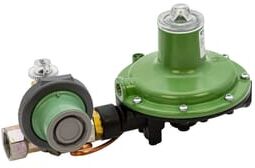
Clesse BP2303R Adjustable Propane Regulator 10–200mbar 30kg/hrThe Clesse BP2303R 30 kg/hr 10-200mbar Propane Low Pressure Regulator, a versatile and dependable solution designed to meet the diverse needs of propane gas regulation. Whether you're managing a small domestic system or overseeing larger commercial, industrial, or agricultural applications, this regulator ensures optimal performance with its precise low-pressure second-stage regulation capabilities. Wide Pressure Range: With an adjustable range of 10-200mbar, it offers flexibility for various low-pressure requirements, ensuring your system runs smoothly. High Flow Capacity: Capable of delivering up to 30 kg/hr, this regulator is designed to accommodate the demands of both small and large-scale operations efficiently. Versatile Applications: Perfectly suited for a range of settings, from domestic to l116,81 £*Shipping: 0,00 £Secure redirect to the provider
-
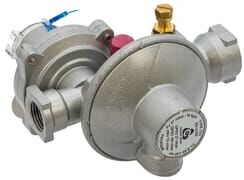
Cavagna Propane Gas Regulator 37mbar Second Stage 4kg/hrCavagna 37mbar Propane Gas Regulator – Second Stage 4kg/hr, 1/4 x 3/8 BSP Female The Cavagna 37mbar Second Stage Propane Gas Regulator – 4kg/hr reduces the pressure to the safe and useable level required by gas appliances. Working with a first stage regulator, this second stage unit gives consistent low pressure gas flow, perfect for domestic and commercial use. Made by Cavagna, a global leader in gas control technology, this regulator combines tough construction, reliable performance and long life. Its compact and easy to install design fits seamlessly into propane gas systems and is CE and EN16129 approved for safety and quality. Features Second Stage Pressure Reduction – 37mbar out15,00 £*Shipping: 5,00 £Secure redirect to the provider
-
Clesse BP2303 37mb OPSO Low Pressure Propane Regulator - 30kg/hrThe Clesse BP2303 37mb OPSO Low Pressure Propane Regulator, a top-tier solution designed for excellence in gas management. Boasting a substantial flow rate of 30kg/hr, this regulator is tailored to meet the needs of a wide range of applications, ensuring your propane supply is both consistent and safe. Ideal for those who demand precision and reliability, the BP2303 is equipped with an Over Pressure Shut Off (OPSO) mechanism, enhancing safety by automatically shutting off the gas flow in case of overpressure. High Flow Capacity: Delivers a robust 30kg/hr flow rate, catering to various propane needs from residential heating to commercial cooking and industrial processes. Enhanced Safety Features: The integrated OPSO mechanism provides an extra layer of protection, ensuring your system operates safely under all conditions.203,56 £*Shipping: 0,00 £Secure redirect to the provider
-
Clesse BP2303 UPSO/OPSO Propane Low Pressure Regulator 37mbar 30kg/hrThe Clesse BP2303 37mb UPSO-OPSO Low Pressure Propane Regulator. Delivering a powerful flow rate of 30kg/hr, this regulator is crafted to provide precise control and robust safety features, making it an essential component for various applications. With the model number 006836RB, it stands out for its user-friendly design and advanced safety mechanisms. Precision Pressure Management: Offers accurate pressure control to ensure your propane-powered appliances and systems operate smoothly and efficiently. Enhanced Safety Measures: Equipped with a Pressure Relief Valve (LRV) and an Over Pressure Shut Off (OPSO) featuring a visual indicator and a rotating cap for easy pressure balancing and reset. User-Friendly UPSO: The Under Pressure Shut Off (UPSO) is designed with a clea253,68 £*Shipping: 0,00 £Secure redirect to the provider


-
When do I shift from 2nd gear to 1st gear?
You should shift from 2nd gear to 1st gear when you are coming to a complete stop. As you slow down and the vehicle's speed drops to a point where 2nd gear is no longer suitable, you should shift into 1st gear to bring the vehicle to a stop. It is important to downshift into 1st gear at the appropriate time to avoid stalling the engine and to ensure a smooth and controlled stop. **
-
What is the difference between an HR Business Partner and an HR Specialist?
An HR Business Partner is a strategic role that focuses on aligning HR initiatives with the overall business goals of the organization. They work closely with senior management to develop and implement HR strategies that support the company's objectives. On the other hand, an HR Specialist is more focused on specific areas within HR, such as recruitment, training, or compensation. They are responsible for executing HR programs and processes within their specialized area. While HR Business Partners take a broader, strategic approach to HR, HR Specialists have a more narrow, specialized focus within the HR function. **
-
Why does the chain rattle in 1st gear?
The chain may rattle in 1st gear due to a few reasons. One common reason is that the chain tension may be too loose, causing it to slap against the sprockets and create a rattling noise. Another reason could be worn-out sprockets or a stretched chain, which can also cause the chain to rattle. It's important to address this issue promptly, as a loose or worn-out chain can lead to further damage to the bike's drivetrain. Regular maintenance and proper tensioning of the chain can help prevent this issue. **
-
Is it allowed to shift from 3rd gear to 1st gear?
No, it is generally not allowed to shift directly from 3rd gear to 1st gear in a manual transmission vehicle. Shifting directly from a higher gear to a much lower gear can cause damage to the transmission and engine. It is recommended to downshift through the gears sequentially, such as from 3rd to 2nd and then to 1st, to ensure smooth and safe operation of the vehicle. If a sudden stop is required, it is best to use the brakes to slow down the vehicle before downshifting to 1st gear. **
How do I shift from 3rd to 1st gear?
To shift from 3rd to 1st gear, you need to first press the clutch pedal all the way down to disengage the current gear. Then, move the gear stick directly from 3rd gear to neutral. After that, press the clutch pedal again and shift the gear stick into 1st gear. Finally, release the clutch pedal slowly while gently pressing the accelerator to smoothly engage 1st gear and accelerate the vehicle. **
How do you shift from 2nd to 1st gear?
To shift from 2nd to 1st gear in a manual transmission vehicle, you need to first release the accelerator pedal and press the clutch pedal fully to the floor with your left foot. Then, move the gear shifter into the 1st gear position while keeping the clutch pedal depressed. Slowly release the clutch pedal while gently pressing the accelerator to smoothly transition into 1st gear. It's important to do this shift at a low speed to avoid damaging the transmission. **
Top-Angebote
Products related to Cavagna-30kg-hr-1st:
-
Cavagna 30kg/hr 1st Stage High Pressure Propane Regulator – POLThe Cavagna 30kg/hr First Stage High Pressure Propane Gas Regulator is engineered for those who demand precision, safety, and reliability in their gas systems. This high-performance regulator is designed to deliver a consistent gas flow at high pressures, making it an ideal choice for a wide range of applications, from residential setups to commercial and industrial environments. First stage gas regulators serve as a primary means for pressure regulation in a two stage system, usually used on LPG bulk tanks.22,32 £*Shipping: 5,00 £Secure redirect to the provider
-
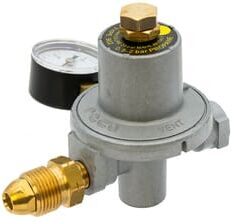
Cavagna 30kg/hr 1st Stage HP Propane Regulator with Gauge – POLCavagna 30kg/hr 1st Stage High Pressure Propane Regulator with Gauge – POL Precision Bulk Tank Regulation The Cavagna 30kg/hr 1st Stage High Pressure Propane Regulator with Gauge is a high flow, precision regulator for safe and reliable LPG from bulk tanks. Built to BS EN 13785 it’s a 1st stage regulator at 0.5–2 bar with a 0–4 bar pressure gauge for monitoring. With a maximum flow rate of 30kg/hr this regulator is perfect for residential, commercial, industrial and agricultural installations where consistent gas control is key. The POL inlet and 3/8” BSP female outlet make installation easy. Backed by a 5 year warranty Cavagna gives you peace of mind in LPG management. Key Featu29,04 £*Shipping: 5,00 £Secure redirect to the provider
-
Clesse BP2303R Adjustable Propane Regulator 10–200mbar 30kg/hrThe Clesse BP2303R 30 kg/hr 10-200mbar Propane Low Pressure Regulator, a versatile and dependable solution designed to meet the diverse needs of propane gas regulation. Whether you're managing a small domestic system or overseeing larger commercial, industrial, or agricultural applications, this regulator ensures optimal performance with its precise low-pressure second-stage regulation capabilities. Wide Pressure Range: With an adjustable range of 10-200mbar, it offers flexibility for various low-pressure requirements, ensuring your system runs smoothly. High Flow Capacity: Capable of delivering up to 30 kg/hr, this regulator is designed to accommodate the demands of both small and large-scale operations efficiently. Versatile Applications: Perfectly suited for a range of settings, from domestic to l116,81 £*Shipping: 0,00 £Secure redirect to the provider
-
Cavagna Propane Gas Regulator 37mbar Second Stage 4kg/hrCavagna 37mbar Propane Gas Regulator – Second Stage 4kg/hr, 1/4 x 3/8 BSP Female The Cavagna 37mbar Second Stage Propane Gas Regulator – 4kg/hr reduces the pressure to the safe and useable level required by gas appliances. Working with a first stage regulator, this second stage unit gives consistent low pressure gas flow, perfect for domestic and commercial use. Made by Cavagna, a global leader in gas control technology, this regulator combines tough construction, reliable performance and long life. Its compact and easy to install design fits seamlessly into propane gas systems and is CE and EN16129 approved for safety and quality. Features Second Stage Pressure Reduction – 37mbar out15,00 £*Shipping: 5,00 £Secure redirect to the provider
-
Can you shift directly from 3rd gear to 1st gear?
It is not recommended to shift directly from 3rd gear to 1st gear in a manual transmission vehicle. This can cause excessive wear and damage to the transmission components. It is best to shift sequentially through the gears to ensure smooth and safe operation of the vehicle. **
-
How do I shift from 3rd gear to 1st gear?
To shift from 3rd gear to 1st gear, you will need to first press the clutch pedal all the way to the floor with your left foot. Then, move the gear shifter from 3rd gear to neutral by releasing the pressure on the shifter and moving it to the center position. Finally, while still holding the clutch pedal down, shift the gear shifter from neutral to 1st gear. Once the gear is engaged, slowly release the clutch pedal while gently pressing the gas pedal to smoothly accelerate in 1st gear. **
-
When do I shift from 2nd gear to 1st gear?
You should shift from 2nd gear to 1st gear when you are coming to a complete stop. As you slow down and the vehicle's speed drops to a point where 2nd gear is no longer suitable, you should shift into 1st gear to bring the vehicle to a stop. It is important to downshift into 1st gear at the appropriate time to avoid stalling the engine and to ensure a smooth and controlled stop. **
-
What is the difference between an HR Business Partner and an HR Specialist?
An HR Business Partner is a strategic role that focuses on aligning HR initiatives with the overall business goals of the organization. They work closely with senior management to develop and implement HR strategies that support the company's objectives. On the other hand, an HR Specialist is more focused on specific areas within HR, such as recruitment, training, or compensation. They are responsible for executing HR programs and processes within their specialized area. While HR Business Partners take a broader, strategic approach to HR, HR Specialists have a more narrow, specialized focus within the HR function. **
Similar search terms for Cavagna-30kg-hr-1st
-
Clesse BP2303 37mb OPSO Low Pressure Propane Regulator - 30kg/hrThe Clesse BP2303 37mb OPSO Low Pressure Propane Regulator, a top-tier solution designed for excellence in gas management. Boasting a substantial flow rate of 30kg/hr, this regulator is tailored to meet the needs of a wide range of applications, ensuring your propane supply is both consistent and safe. Ideal for those who demand precision and reliability, the BP2303 is equipped with an Over Pressure Shut Off (OPSO) mechanism, enhancing safety by automatically shutting off the gas flow in case of overpressure. High Flow Capacity: Delivers a robust 30kg/hr flow rate, catering to various propane needs from residential heating to commercial cooking and industrial processes. Enhanced Safety Features: The integrated OPSO mechanism provides an extra layer of protection, ensuring your system operates safely under all conditions.203,56 £*Shipping: 0,00 £Secure redirect to the provider
-
Clesse BP2303 UPSO/OPSO Propane Low Pressure Regulator 37mbar 30kg/hrThe Clesse BP2303 37mb UPSO-OPSO Low Pressure Propane Regulator. Delivering a powerful flow rate of 30kg/hr, this regulator is crafted to provide precise control and robust safety features, making it an essential component for various applications. With the model number 006836RB, it stands out for its user-friendly design and advanced safety mechanisms. Precision Pressure Management: Offers accurate pressure control to ensure your propane-powered appliances and systems operate smoothly and efficiently. Enhanced Safety Measures: Equipped with a Pressure Relief Valve (LRV) and an Over Pressure Shut Off (OPSO) featuring a visual indicator and a rotating cap for easy pressure balancing and reset. User-Friendly UPSO: The Under Pressure Shut Off (UPSO) is designed with a clea253,68 £*Shipping: 0,00 £Secure redirect to the provider
-
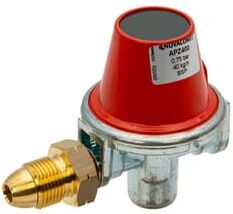
Clesse APZ400 1st Stage 40kg/hr Propane High Pressure RegulatorThe Clesse APZ400 1st Stage 40kg/hr Propane High Pressure Regulator is mainly used on Domestic, Commercial, Industrial and Agricultural LPG Installations using Bulk Tanks. It provides the first stage regulation function without OPSO at 0.75bar and is fitted directly onto the Tanks. Design and performance to BS EN 1378534,27 £*Shipping: 5,00 £Secure redirect to the provider
-
Cavagna Propane Gas Regulator 37mbar 2nd Stage UPSO/OPSO 10kg/hrCavagna 37mbar 2nd Stage Propane Regulator with UPSO/OPSO – 10kg/hr The Cavagna CGE 1200P 37mbar Second Stage Propane Regulator – 10kg/hr is a tank mounted regulator with advanced safety features for reliable LPG system performance. Gives a 37mbar outlet pressure and a 10kg/hr flow rate. Suitable for domestic and commercial propane installations. Complies with BS EN 16129:2013 standards. Has Under Pressure Shut Off (UPSO), Over Pressure Shut Off (OPSO) and limited capacity pressure relief valve (PRV) for total peace of mind. Has user friendly features like resettable UPSO for tank refills and restricted OPSO reset for professional management. Built by Cavagna, world leaders in gas control89,70 £*Shipping: 0,00 £Secure redirect to the provider
-
Why does the chain rattle in 1st gear?
The chain may rattle in 1st gear due to a few reasons. One common reason is that the chain tension may be too loose, causing it to slap against the sprockets and create a rattling noise. Another reason could be worn-out sprockets or a stretched chain, which can also cause the chain to rattle. It's important to address this issue promptly, as a loose or worn-out chain can lead to further damage to the bike's drivetrain. Regular maintenance and proper tensioning of the chain can help prevent this issue. **
-
Is it allowed to shift from 3rd gear to 1st gear?
No, it is generally not allowed to shift directly from 3rd gear to 1st gear in a manual transmission vehicle. Shifting directly from a higher gear to a much lower gear can cause damage to the transmission and engine. It is recommended to downshift through the gears sequentially, such as from 3rd to 2nd and then to 1st, to ensure smooth and safe operation of the vehicle. If a sudden stop is required, it is best to use the brakes to slow down the vehicle before downshifting to 1st gear. **
-
How do I shift from 3rd to 1st gear?
To shift from 3rd to 1st gear, you need to first press the clutch pedal all the way down to disengage the current gear. Then, move the gear stick directly from 3rd gear to neutral. After that, press the clutch pedal again and shift the gear stick into 1st gear. Finally, release the clutch pedal slowly while gently pressing the accelerator to smoothly engage 1st gear and accelerate the vehicle. **
-
How do you shift from 2nd to 1st gear?
To shift from 2nd to 1st gear in a manual transmission vehicle, you need to first release the accelerator pedal and press the clutch pedal fully to the floor with your left foot. Then, move the gear shifter into the 1st gear position while keeping the clutch pedal depressed. Slowly release the clutch pedal while gently pressing the accelerator to smoothly transition into 1st gear. It's important to do this shift at a low speed to avoid damaging the transmission. **
* All prices are inclusive of VAT and, if applicable, plus shipping costs. The offer information is based on the details provided by the respective shop and is updated through automated processes. Real-time updates do not occur, so deviations can occur in individual cases. ** Note: Parts of this content were created by AI.