Buy ykh.eu ?
We are moving the project
ykh.eu .
Are you interested in purchasing the domain
ykh.eu ?
domain@kv-gmbh.de · 0541-91531010
Buy ykh.eu ?
How can the pressure on the motorcycle clutch lever be reduced?
The pressure on the motorcycle clutch lever can be reduced by adjusting the clutch cable tension. This can be done by loosening the lock nut on the clutch cable adjuster and turning the adjuster to increase the slack in the cable. Another way to reduce the pressure is by lubricating the clutch cable and pivot points to ensure smooth operation. Additionally, using a clutch lever with a shorter reach or a lighter spring can also help reduce the pressure required to operate the clutch. **
Is CO as bad as CO?
No, CO (carbon monoxide) is not as bad as CO2 (carbon dioxide) in terms of immediate health effects. CO is a highly toxic gas that can cause symptoms such as headache, dizziness, nausea, and even death in high concentrations. On the other hand, CO2 is a naturally occurring gas that is essential for plant life and is not toxic to humans at normal levels. However, CO2 does contribute to climate change and global warming when present in excessive amounts in the atmosphere. Both gases should be monitored and controlled to ensure the safety of human health and the environment. **

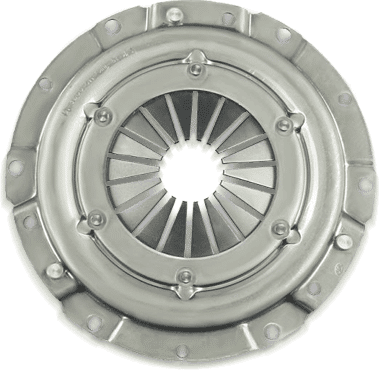
Similar search terms for AISIN-CO-028-Clutch-Pressure
Top-Angebote
Products related to AISIN-CO-028-Clutch-Pressure:
-
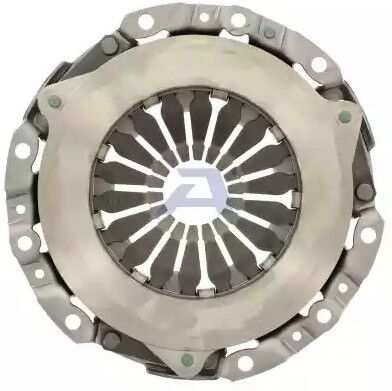
AISIN CO-004 Clutch Pressure PlateOuter Diameter [mm]: 227; Inner Diameter [mm]: 144; Bolt Hole Circle Ø [mm]: 250; Construction Year to: 12/1999, 07/2003, 08/2000, 12/2004, 03/2009, 09/2009, 12/2002, 07/2005, 12/2015, 08/2012; Vehicle type: Nubira, Orion, Leganza, Kondor (Doninvest), Aveo, Rezzo, Tacuma; Construction Year from: 06/1998, 06/2011, 10/199948,49 £*Shipping: 8,45 £Secure redirect to the provider


-
Why does the clutch stick and then too much pressure builds up on it?
The clutch may stick and build up too much pressure due to several reasons. One common cause is a lack of lubrication in the clutch system, which can lead to friction and sticking. Another reason could be a worn or damaged clutch release bearing, which can cause the clutch to not fully disengage and result in pressure buildup. Additionally, a misaligned or damaged clutch linkage can also cause the clutch to stick and create excessive pressure. It is important to address these issues promptly to prevent further damage to the clutch system. **
-
Why is clutch wear lowest in the lowest gear?
Clutch wear is lowest in the lowest gear because the engine speed is closest to the vehicle speed in this gear. This means there is less slipping required to match the engine speed with the transmission speed, resulting in less wear on the clutch. Additionally, the torque multiplication in the lower gear reduces the load on the clutch, further decreasing wear. Overall, the lower gear allows for smoother engagement and disengagement of the clutch, minimizing wear and tear on the clutch components. **
-
Do CO bonds form with other CO bonds?
No, CO bonds do not typically form with other CO bonds. Carbon monoxide (CO) is a stable molecule with a triple bond between the carbon and oxygen atoms. This triple bond is strong and does not readily form additional bonds with other CO molecules. Instead, CO molecules tend to interact with other types of molecules through various types of chemical reactions. **
-
In what order do I use the gear and clutch?
To properly use the gear and clutch in a manual transmission vehicle, you should first press the clutch pedal all the way down to disengage the engine from the transmission. Then, shift the gear lever to the desired gear (1st gear for starting from a stop, for example). Once the gear is selected, slowly release the clutch pedal while gently pressing the gas pedal to smoothly engage the engine with the transmission. Remember to always use the clutch when shifting gears to prevent damage to the transmission. **


Does it harm the clutch to start in second gear?
Starting in second gear can put extra strain on the clutch as it requires more power to get the vehicle moving. This can lead to premature wear and potential damage to the clutch over time. It is generally recommended to start in first gear to reduce strain on the clutch and ensure smooth operation of the vehicle. **
Why is clutch wear the lowest in the lowest gear?
Clutch wear is lowest in the lowest gear because the engine is rotating at a slower speed, which means there is less friction and less wear on the clutch. In the lowest gear, the engine has more mechanical advantage, so it doesn't have to work as hard to move the vehicle, resulting in less strain on the clutch. Additionally, the lower gear allows for smoother and more gradual acceleration, reducing the need for frequent clutch engagement and disengagement, further minimizing wear on the clutch. **
Top-Angebote
Products related to AISIN-CO-028-Clutch-Pressure:
-
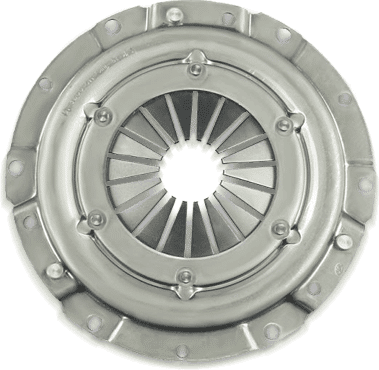
AISIN CS-028 Clutch Pressure PlateOuter Diameter [mm]: 202; Inner Diameter [mm]: 126; Bolt Hole Circle Ø [mm]: 232; Vehicle Production Country: Japan, Hungary; Vehicle type: Swift, Baleno, Liana; Construction Year to: 08/2006, 08/2004, 08/2007, 03/2004, 08/2008, 06/2012; Construction Year from: 09/200255,49 £*Shipping: 8,45 £Secure redirect to the provider
-
AISIN CO-004 Clutch Pressure PlateOuter Diameter [mm]: 227; Inner Diameter [mm]: 144; Bolt Hole Circle Ø [mm]: 250; Construction Year to: 12/1999, 07/2003, 08/2000, 12/2004, 03/2009, 09/2009, 12/2002, 07/2005, 12/2015, 08/2012; Vehicle type: Nubira, Orion, Leganza, Kondor (Doninvest), Aveo, Rezzo, Tacuma; Construction Year from: 06/1998, 06/2011, 10/199948,49 £*Shipping: 8,45 £Secure redirect to the provider
-
How can the pressure on the motorcycle clutch lever be reduced?
The pressure on the motorcycle clutch lever can be reduced by adjusting the clutch cable tension. This can be done by loosening the lock nut on the clutch cable adjuster and turning the adjuster to increase the slack in the cable. Another way to reduce the pressure is by lubricating the clutch cable and pivot points to ensure smooth operation. Additionally, using a clutch lever with a shorter reach or a lighter spring can also help reduce the pressure required to operate the clutch. **
-
Is CO as bad as CO?
No, CO (carbon monoxide) is not as bad as CO2 (carbon dioxide) in terms of immediate health effects. CO is a highly toxic gas that can cause symptoms such as headache, dizziness, nausea, and even death in high concentrations. On the other hand, CO2 is a naturally occurring gas that is essential for plant life and is not toxic to humans at normal levels. However, CO2 does contribute to climate change and global warming when present in excessive amounts in the atmosphere. Both gases should be monitored and controlled to ensure the safety of human health and the environment. **
-
Why does the clutch stick and then too much pressure builds up on it?
The clutch may stick and build up too much pressure due to several reasons. One common cause is a lack of lubrication in the clutch system, which can lead to friction and sticking. Another reason could be a worn or damaged clutch release bearing, which can cause the clutch to not fully disengage and result in pressure buildup. Additionally, a misaligned or damaged clutch linkage can also cause the clutch to stick and create excessive pressure. It is important to address these issues promptly to prevent further damage to the clutch system. **
-
Why is clutch wear lowest in the lowest gear?
Clutch wear is lowest in the lowest gear because the engine speed is closest to the vehicle speed in this gear. This means there is less slipping required to match the engine speed with the transmission speed, resulting in less wear on the clutch. Additionally, the torque multiplication in the lower gear reduces the load on the clutch, further decreasing wear. Overall, the lower gear allows for smoother engagement and disengagement of the clutch, minimizing wear and tear on the clutch components. **
Similar search terms for AISIN-CO-028-Clutch-Pressure
-
AISIN CO-009 Clutch Pressure PlateOuter Diameter [mm]: 215; Inner Diameter [mm]: 140; Bolt Hole Circle Ø [mm]: 250; Construction Year from: 06/1998, 04/2001; Vehicle type: Orion, Lanos, Sens; Vehicle Identification Number (VIN) to: VINE166479; Construction Year to: 12/2002, 05/200550,49 £*Shipping: 8,45 £Secure redirect to the provider
-
Do CO bonds form with other CO bonds?
No, CO bonds do not typically form with other CO bonds. Carbon monoxide (CO) is a stable molecule with a triple bond between the carbon and oxygen atoms. This triple bond is strong and does not readily form additional bonds with other CO molecules. Instead, CO molecules tend to interact with other types of molecules through various types of chemical reactions. **
-
In what order do I use the gear and clutch?
To properly use the gear and clutch in a manual transmission vehicle, you should first press the clutch pedal all the way down to disengage the engine from the transmission. Then, shift the gear lever to the desired gear (1st gear for starting from a stop, for example). Once the gear is selected, slowly release the clutch pedal while gently pressing the gas pedal to smoothly engage the engine with the transmission. Remember to always use the clutch when shifting gears to prevent damage to the transmission. **
-
Does it harm the clutch to start in second gear?
Starting in second gear can put extra strain on the clutch as it requires more power to get the vehicle moving. This can lead to premature wear and potential damage to the clutch over time. It is generally recommended to start in first gear to reduce strain on the clutch and ensure smooth operation of the vehicle. **
-
Why is clutch wear the lowest in the lowest gear?
Clutch wear is lowest in the lowest gear because the engine is rotating at a slower speed, which means there is less friction and less wear on the clutch. In the lowest gear, the engine has more mechanical advantage, so it doesn't have to work as hard to move the vehicle, resulting in less strain on the clutch. Additionally, the lower gear allows for smoother and more gradual acceleration, reducing the need for frequent clutch engagement and disengagement, further minimizing wear on the clutch. **
* All prices are inclusive of VAT and, if applicable, plus shipping costs. The offer information is based on the details provided by the respective shop and is updated through automated processes. Real-time updates do not occur, so deviations can occur in individual cases. ** Note: Parts of this content were created by AI.