Buy ykh.eu ?
We are moving the project
ykh.eu .
Are you interested in purchasing the domain
ykh.eu ?
domain@kv-gmbh.de · 0541-91531010
Buy ykh.eu ?
What are fuel supplies?
Fuel supplies refer to the availability and stock of various types of fuel, such as gasoline, diesel, natural gas, and other energy sources. These supplies are essential for powering vehicles, machinery, and heating systems. Fuel supplies can be affected by factors such as production levels, transportation infrastructure, and geopolitical events, and are crucial for maintaining the functioning of modern society. **
Does idling consume less fuel than rolling in gear?
Idling consumes more fuel than rolling in gear. When a vehicle is idling, it is using fuel to keep the engine running without moving the vehicle, whereas when the vehicle is rolling in gear, the engine is using less fuel to maintain the vehicle's momentum. Therefore, it is more fuel-efficient to keep the vehicle rolling in gear rather than idling. **

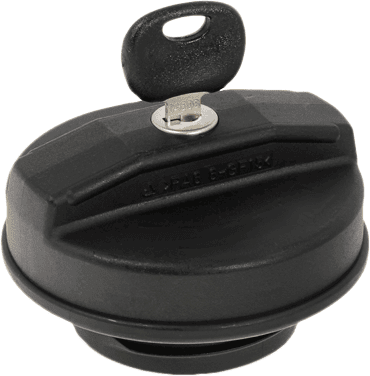
Similar search terms for 3RG-80039-Valve-fuel
Top-Angebote
Products related to 3RG-80039-Valve-fuel:
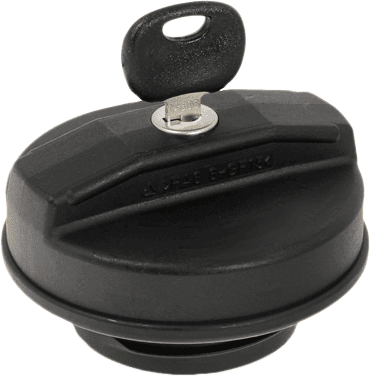
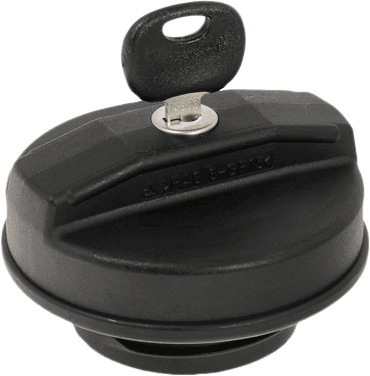


-
Does idling consume less fuel than coasting in gear?
No, idling consumes more fuel than coasting in gear. When a vehicle is idling, the engine is still running and using fuel to maintain the RPMs, even though the vehicle is not moving. On the other hand, coasting in gear allows the vehicle to move forward using the momentum already built up, without using any fuel. Therefore, coasting in gear is a more fuel-efficient option compared to idling. **
-
Does idling consume more fuel than driving in gear?
Yes, idling consumes more fuel than driving in gear. When a vehicle is idling, it is using fuel to keep the engine running without moving the vehicle forward. On the other hand, when the vehicle is driving in gear, the engine is still running but it is also propelling the vehicle forward, making more efficient use of the fuel. Therefore, it is more fuel-efficient to drive in gear than to idle. **
-
Do valve caps need to be on the valve?
Valve caps are not essential for the functioning of the valve, but they are recommended to be kept on the valve. Valve caps help to prevent dust, dirt, and debris from entering the valve, which can cause damage or blockages. Additionally, valve caps help to maintain proper tire pressure by keeping the valve sealed. Overall, it is best practice to keep valve caps on the valve to protect and maintain the integrity of the valve. **
-
Is the inlet valve larger than the outlet valve?
The size of the inlet valve and outlet valve can vary depending on the specific system or equipment being referred to. In general, the inlet valve is often larger than the outlet valve in order to allow for a greater volume of fluid or gas to enter the system. This larger size helps to regulate the flow and pressure of the incoming substance. However, it is important to note that this may not always be the case, as the size of the valves can be determined by the specific requirements of the system or equipment. **
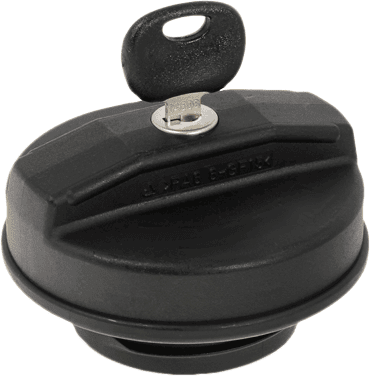
"Do valve caps need to be put on the valve?"
Yes, valve caps are important for several reasons. They help to keep dirt, debris, and moisture out of the valve, which can cause leaks or damage. Additionally, valve caps help to maintain proper tire pressure by preventing air from escaping. Finally, valve caps also provide a seal to keep the valve core in place, ensuring the tire remains properly inflated. Therefore, it is important to always have valve caps on the valves of your tires. **
How do I mount a valve extension on a Presta valve?
To mount a valve extension on a Presta valve, first remove the valve cap and unscrew the lock nut on the valve. Next, screw the valve extension onto the valve stem until it is securely in place. Finally, tighten the lock nut back onto the valve to ensure the extension is secure. Remember to check for any leaks or issues before inflating your tire. **
Top-Angebote
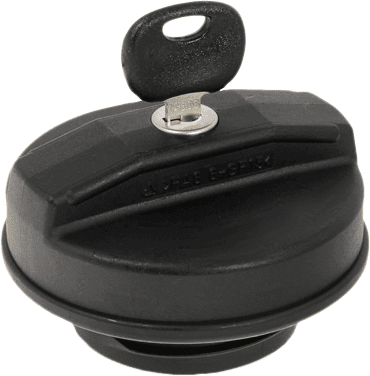
Products related to 3RG-80039-Valve-fuel:
-
What are fuel supplies?
Fuel supplies refer to the availability and stock of various types of fuel, such as gasoline, diesel, natural gas, and other energy sources. These supplies are essential for powering vehicles, machinery, and heating systems. Fuel supplies can be affected by factors such as production levels, transportation infrastructure, and geopolitical events, and are crucial for maintaining the functioning of modern society. **
-
Does idling consume less fuel than rolling in gear?
Idling consumes more fuel than rolling in gear. When a vehicle is idling, it is using fuel to keep the engine running without moving the vehicle, whereas when the vehicle is rolling in gear, the engine is using less fuel to maintain the vehicle's momentum. Therefore, it is more fuel-efficient to keep the vehicle rolling in gear rather than idling. **
-
Does idling consume less fuel than coasting in gear?
No, idling consumes more fuel than coasting in gear. When a vehicle is idling, the engine is still running and using fuel to maintain the RPMs, even though the vehicle is not moving. On the other hand, coasting in gear allows the vehicle to move forward using the momentum already built up, without using any fuel. Therefore, coasting in gear is a more fuel-efficient option compared to idling. **
-
Does idling consume more fuel than driving in gear?
Yes, idling consumes more fuel than driving in gear. When a vehicle is idling, it is using fuel to keep the engine running without moving the vehicle forward. On the other hand, when the vehicle is driving in gear, the engine is still running but it is also propelling the vehicle forward, making more efficient use of the fuel. Therefore, it is more fuel-efficient to drive in gear than to idle. **
Similar search terms for 3RG-80039-Valve-fuel
-
Do valve caps need to be on the valve?
Valve caps are not essential for the functioning of the valve, but they are recommended to be kept on the valve. Valve caps help to prevent dust, dirt, and debris from entering the valve, which can cause damage or blockages. Additionally, valve caps help to maintain proper tire pressure by keeping the valve sealed. Overall, it is best practice to keep valve caps on the valve to protect and maintain the integrity of the valve. **
-
Is the inlet valve larger than the outlet valve?
The size of the inlet valve and outlet valve can vary depending on the specific system or equipment being referred to. In general, the inlet valve is often larger than the outlet valve in order to allow for a greater volume of fluid or gas to enter the system. This larger size helps to regulate the flow and pressure of the incoming substance. However, it is important to note that this may not always be the case, as the size of the valves can be determined by the specific requirements of the system or equipment. **
-
"Do valve caps need to be put on the valve?"
Yes, valve caps are important for several reasons. They help to keep dirt, debris, and moisture out of the valve, which can cause leaks or damage. Additionally, valve caps help to maintain proper tire pressure by preventing air from escaping. Finally, valve caps also provide a seal to keep the valve core in place, ensuring the tire remains properly inflated. Therefore, it is important to always have valve caps on the valves of your tires. **
-
How do I mount a valve extension on a Presta valve?
To mount a valve extension on a Presta valve, first remove the valve cap and unscrew the lock nut on the valve. Next, screw the valve extension onto the valve stem until it is securely in place. Finally, tighten the lock nut back onto the valve to ensure the extension is secure. Remember to check for any leaks or issues before inflating your tire. **
* All prices are inclusive of VAT and, if applicable, plus shipping costs. The offer information is based on the details provided by the respective shop and is updated through automated processes. Real-time updates do not occur, so deviations can occur in individual cases. ** Note: Parts of this content were created by AI.